
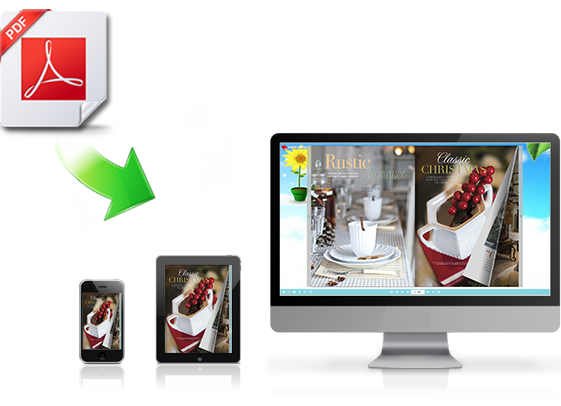

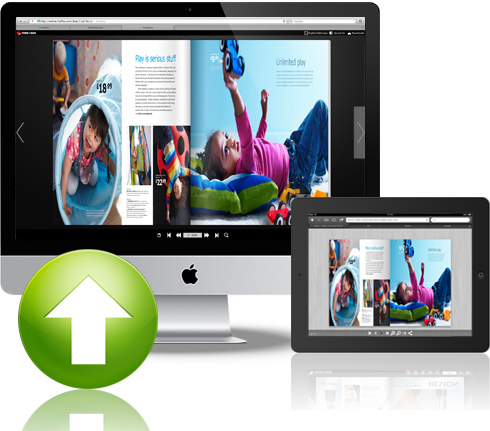
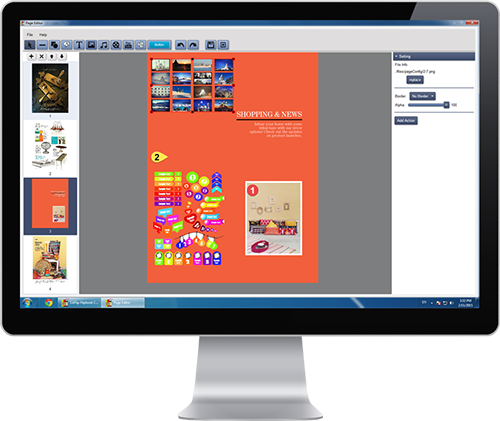

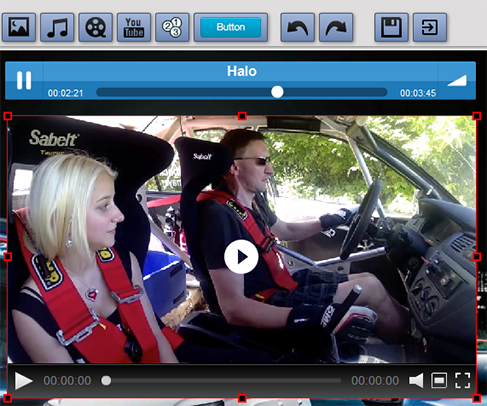
1stFlip Flipbook Creator is professional online flipbook software to convert PDF to HTML5 flipbook and get a fully responsive, mobile friendly experience in any browser. It allows you to create interactive flipbook, catalogs, brochures, magazines, eBooks, yearbook, booklet, portfolio, etc. from PDF and images. Real book experience, smooth flip animation, digital publishing style, 100% ad-free PDF page turning software. Create digital interactive flipbook with PDF/images/video/audio.
Then comes the , a liminal zone where notes go to die. A sticky note half-hidden under a coffee mug reads “Call dentist.” It’s been there for three weeks. This location signals ambivalent priority —important enough to write, not important enough to act. The desk’s periphery becomes a museum of deferred dreams.
So next time you press down a neon square, ask yourself: What am I really mapping? The answer may be messier—and more human—than any task you’ve written.
In the end, a sticky note’s position is never random. It is a vote for what deserves a temporary monument in our attention economy. The monitor is for survival. The drawer is for sentiment. The edge of the desk is for procrastination. And the back of a stranger’s chair? That’s simply anarchy with an adhesive backing. sticky notes location
Here’s a short, thought-provoking essay on the seemingly mundane topic of sticky note placement:
On the surface, a sticky note is a humble servant of memory—a canary-yellow square that whispers, “Don’t forget.” But look closer at where we stick them, and you’ll find a hidden cartography of human cognition, workspace politics, and quiet rebellion. Then comes the , a liminal zone where notes go to die
But the most fascinating location is the or the inside of a notebook . These are private geographies. A sticky note with a password on a laptop screen is an act of trust (or folly). One hidden inside a drawer with a loved one’s handwriting? That’s a love letter in minimalist drag. We use concealment to demarcate the sacred from the transactional.
And finally, the —the communal fridge, the shared printer, a colleague’s monitor with a passive-aggressive “Please refill paper.” Here, sticky notes become a low-stakes weapon of civil disobedience. No one signs them. They are the graffiti of the office ecosystem. The desk’s periphery becomes a museum of deferred dreams
The is the throne of urgency. Notes here scream: “Deal with me now.” But a monitor cluttered with past-due tasks isn’t a to-do list; it’s a graveyard of good intentions. Psychologists call this “out of sight, out of mind” avoidance. Yet, the monitor’s edge also hosts a peculiar subspecies: the inspirational quote. “Breathe.” “You’ve got this.” These aren’t reminders—they are talismans against the cursor’s blink.
Copyright © 2026 1stFlip. ALL Rights Reserved. Privacy Policy