Spunky Email | Extractor |work|
Per informazioni sull'acquisto contattaci
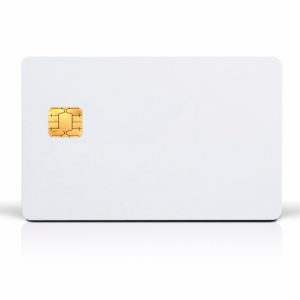
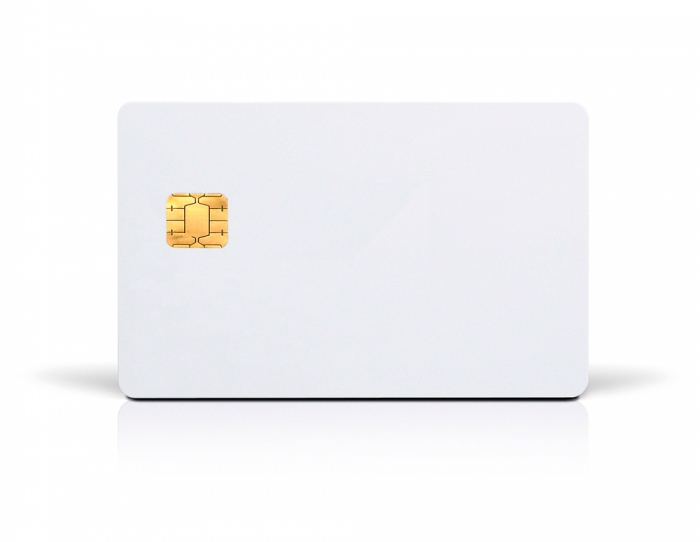
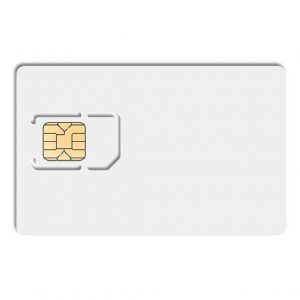
Gemalto Smart Card IDPrime MD 830 (with OTP ready for CAS server customers)
23,58€ IVA esclusa
Per informazioni sull'acquisto contattaci
Spunky Email | Extractor |work|
And that, perhaps, is the most rebellious act left on the web. End of deep text.
The Spunky tool does not steal. It collects what was left in plain sight . In doing so, it reveals a startling truth: most of what we call “private” is merely unaggregated. The spunk lies in the courage to connect dots that were always there, just scattered. Here is where the deep text must pause. Spunk without a spine is just spam. spunky email extractor
Spunk , in this context, is not recklessness. It is . It is the quality that refuses to accept “you must log in to view this” as a natural law. The Spunky Email Extractor doesn’t brute-force. It doesn’t hack. Instead, it dances at the edges of robots.txt, respects rate limits but questions their necessity, and finds the 2% of public data that everyone forgot to lock. 2. Extraction as Attention Cartography What is an email address, really? Not just a string— name@domain.tld . It is a vulnerable coordinate in the geography of attention. To extract emails is to map where a person or organization has chosen to leave a trace: in a GitHub commit, a conference’s speaker page, a forum’s public profile, a newsletter’s raw HTML comment. And that, perhaps, is the most rebellious act
At first glance, “Spunky Email Extractor” sounds like a contradiction—a collision of the juvenile and the surgical. Spunky evokes pluck, irreverence, a scrappy underdog with something to prove. Email Extractor sounds like a gray, joyless tool from a B2B SaaS dashboard. But within that tension lies a profound commentary on how we navigate the modern web. 1. The Spunk as Survival Mechanism The internet, for all its democratic promise, has become a fortress of walled gardens. LinkedIn’s gates, Twitter’s rate limits, Medium’s paywalls—these are not just technical barriers. They are behavioral moats. To extract emails—those humble, decentralized identifiers of human agency—is to perform a small act of rebellion. It collects what was left in plain sight
| Peso | 100 kg |
|---|---|
| Specifiche Tecniche | Minidriver enabled contact smartcard, with Plug & Play capability CC EAL5+ / QSCD certified Fully supported by IDGo 800 (Minidriver, PKCS#11 libs, Credential Provider) Sleep mode activated 5:DESFire EV1 card body set with Key = 000.000 |
| Applicazioni | Accesso Logico Accesso Fisico Applicazioni di Sicurezza Applicazioni con gestioni di certificati digitali |
Prodotti correlati
-
Smart Card Tag e Token, Contact Card, Contactless Card, Smart Card & Tags, Smart Card Bianche, Contact Chip Blank, PKI Card, Gemalto Cards
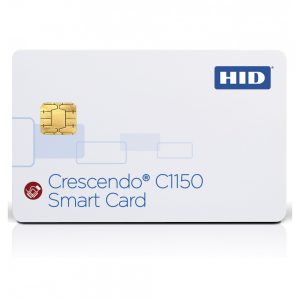
Gemalto Smart Card IDPrime MD 830 B FIPS 140-2 Level 3 Precut
 Smart Card Tag e Token, Contact Card, Contactless Card, Smart Card & Tags, Smart Card Bianche, Contact Chip Blank, PKI Card, Gemalto Cards
Gemalto Smart Card IDPrime MD 830 B FIPS 140-2 Level 3 Precut
Gemalto Smart Card IDPrime MD 830 B FIPS 140-2 Level 3 w/o OTP SIM Pre-cut material ABS
SKU: O1100988