- or $119 if paid with crypto -
Buy for MetaTrader 4- or buy from MQL5 App Store - python 3.13 news today
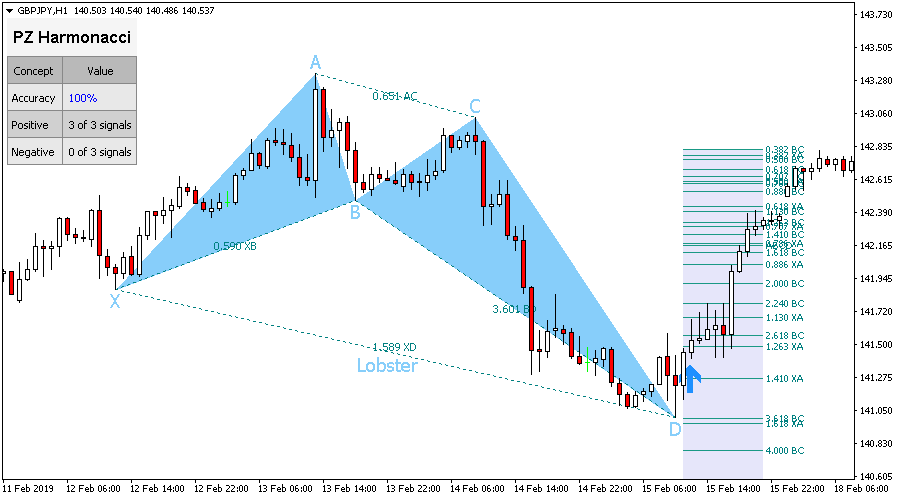
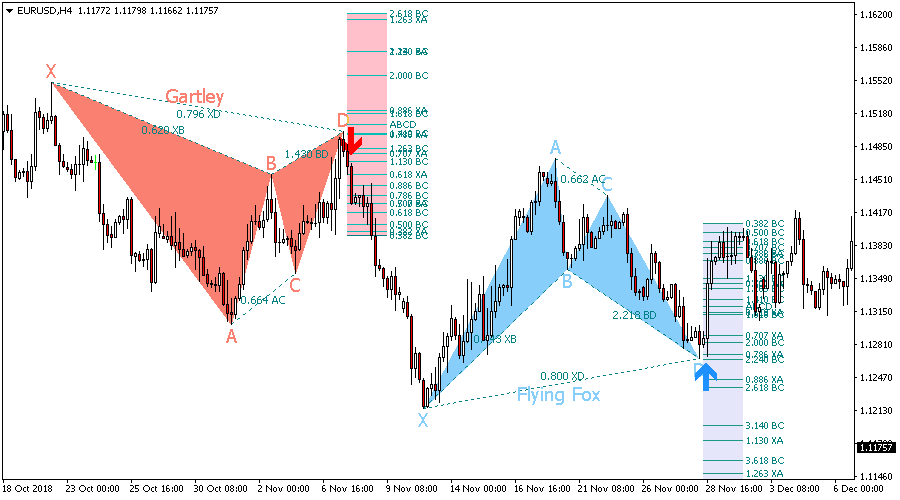
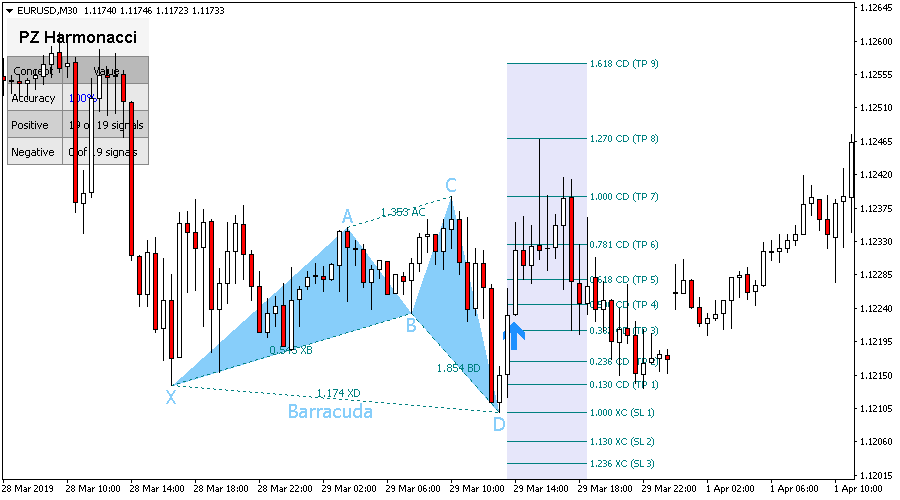
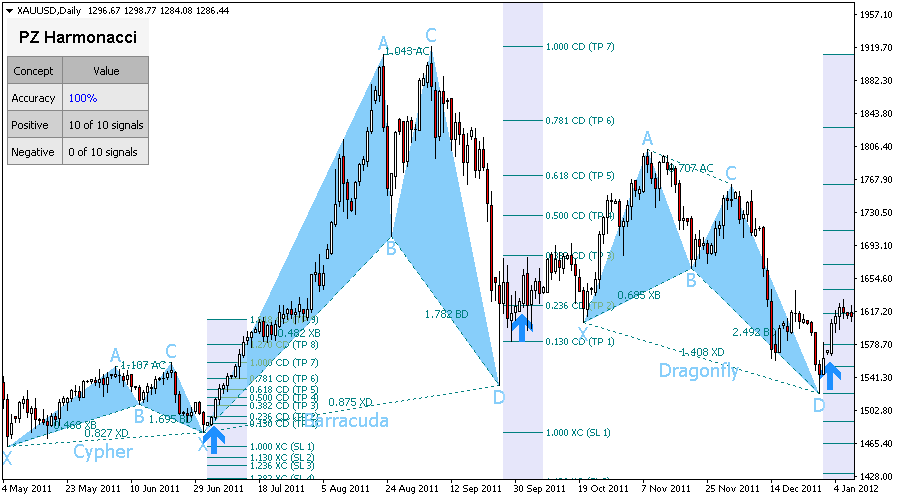
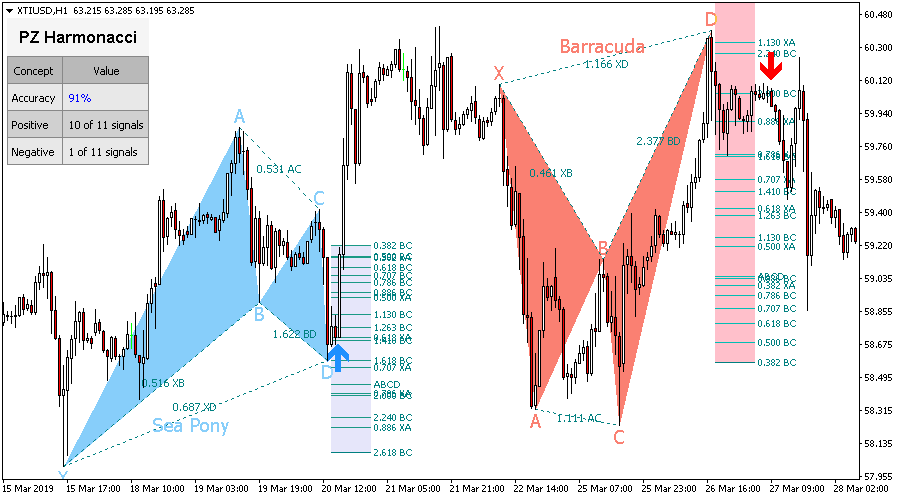
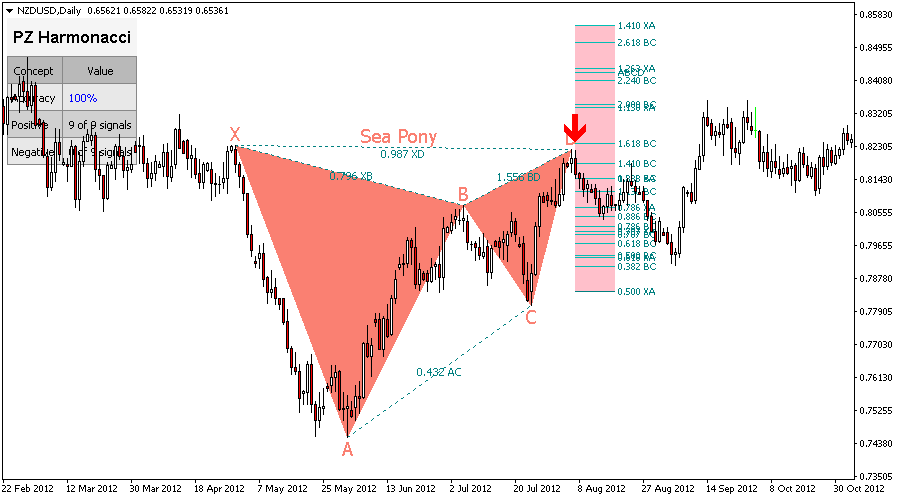
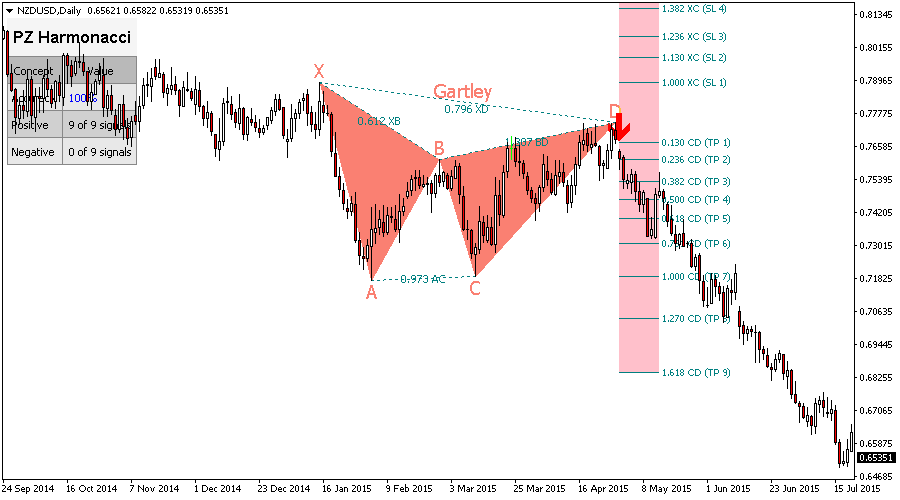
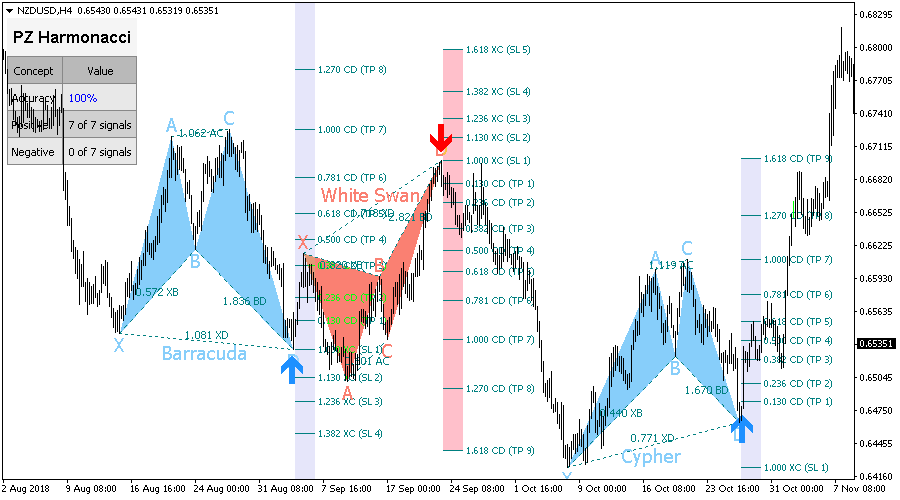
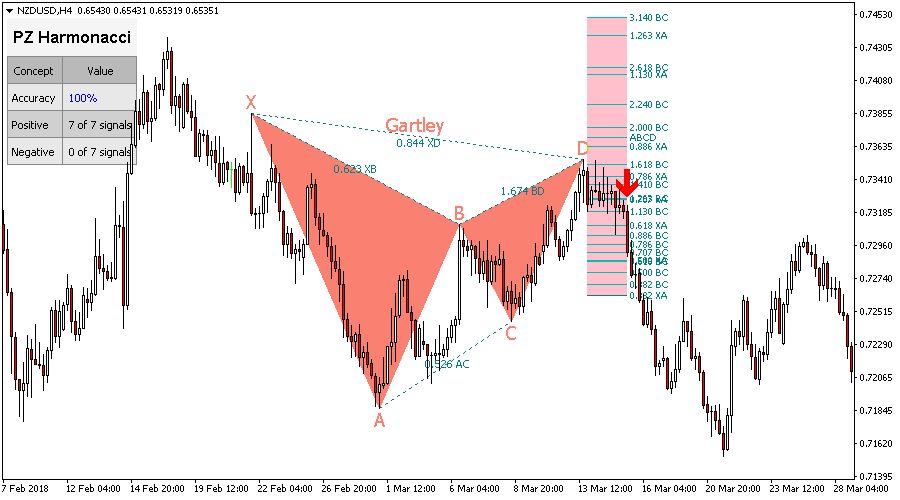
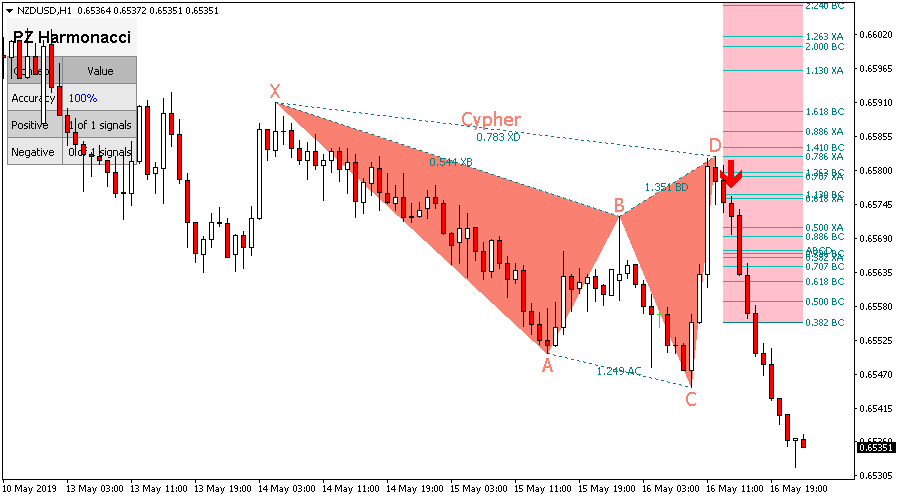
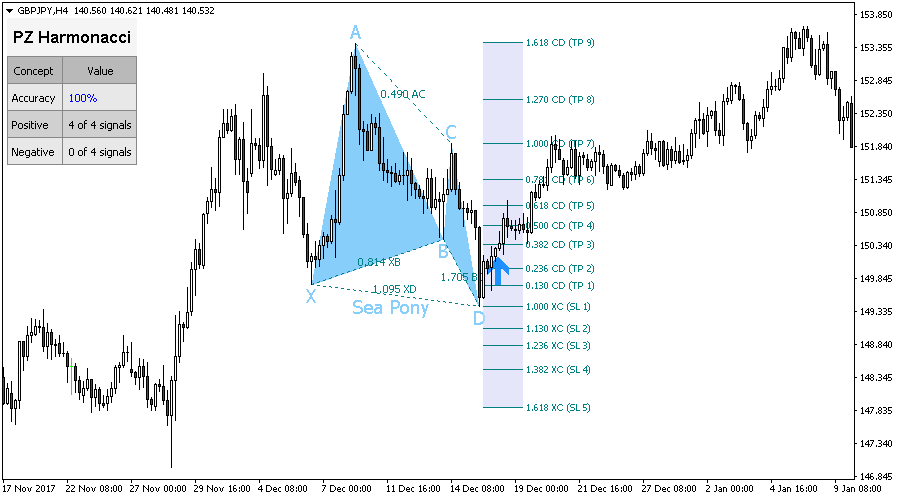
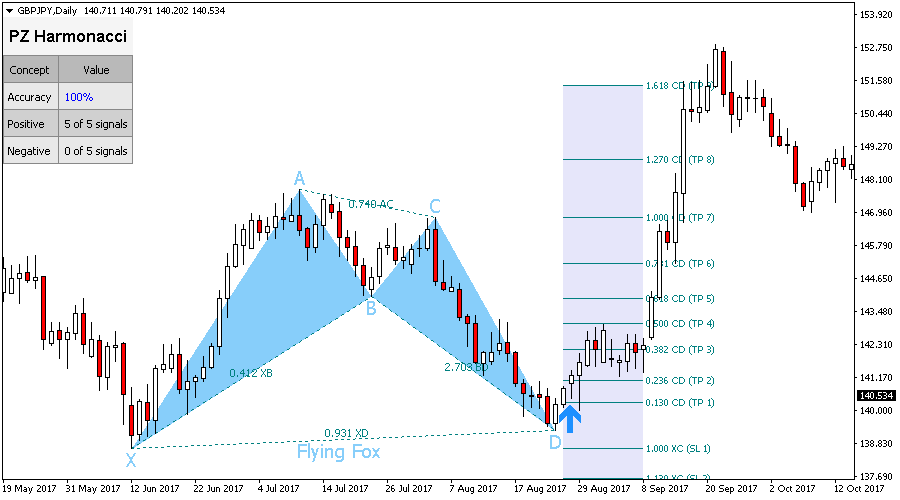
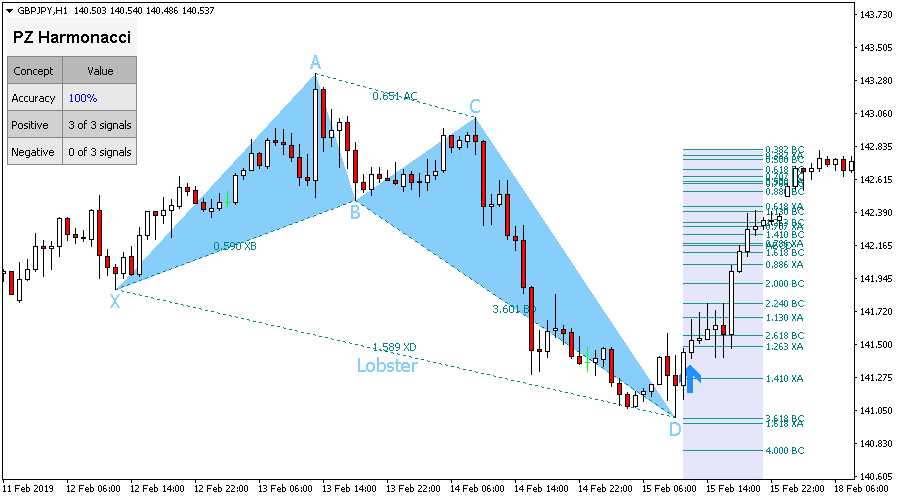
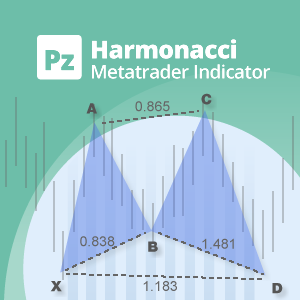
For MetaTrader 4 For MetaTrader 5If you're tired of chasing trades and second-guessing chart noise, this tool flips the script. Harmonacci Patterns does the heavy lifting: it hunts down 19 powerful harmonic price formations, draws the key reversal zones, and signals the breakout only when the setup makes sense. It’s experimental
It’s experimental. Some C extensions may break, and single-threaded performance takes a small hit (roughly 10% slower). However, for scientific computing, web servers, and data processing, early benchmarks show impressive gains on multi-core machines. “This is not for production just yet,” said a core developer in the release notes, “but we need users to try it, break it, and report back. This is how we prepare for Python 3.14 or 3.15.” JIT Compilation: The Quiet Game-Changer Python 3.13 quietly introduces an experimental Just-In-Time (JIT) compiler . Unlike full JITs in languages like Java or JavaScript, Python’s initial implementation is modest: it compiles bytecode to machine code for small, hot regions of code.
As one release note put it: “Python 3.13 doesn’t change how you write code. It changes how your code runs. Try it, break it, and help us build a faster Python for tomorrow.” End of story
October 7, 2024 – The Python community today celebrates the stable release of Python 3.13 , a version that its developers are calling one of the most intriguing updates in recent memory. While not a full-speed revolution, 3.13 plants the seeds for a dramatically faster future—and gives developers powerful new tools to play with today.
Here’s what’s new, what’s experimental, and what disappears. For decades, Python’s Global Interpreter Lock (GIL) has been a controversial cornerstone. It simplifies memory management but prevents true parallel execution of threads. In Python 3.13, the GIL is still the default —but for the first time, you can compile a Python interpreter without it.
Early tests show a on pure-Python numeric loops and repeated function calls—without any code changes. The JIT is disabled by default; enable it via a special build flag.
This mode (enabled via --disable-gil at build time) allows multiple threads to run Python code simultaneously on multiple CPU cores. The result? True parallelism for CPU-bound tasks without resorting to multiprocessing.
Axi is a globally regulated broker offering tight spreads, a wide range of instruments, segregated client funds, and full support for algorithmic traders.
Trade forex, indices, commodities, stocks, and crypto with raw spreads, lightning-fast execution, and leverage of up to 1:1000.
By trading your account, you are participating in Axi's free capital allocation program, which can fund you with up to $1,000,000. All you need is a $500 live account and to complete 20 trades to become eligible.
Good one. Better than all other indicators you have.
Very accurate signals.
I’m a veteran and have seen a lot of garbage, but this is by far one of the most useful tools I’ve come across. I rarely leave reviews, but this one truly deserves it.
The Harmonic Pattern tool works best on higher timeframes. With the right setup and patience, it delivers great signals. Support is quick and helpful.
I’ve used this indicator for 7 months. It’s extremely helpful and has made a noticeable difference in my results. I never trade without it anymore.
PZ indicators truly deliver. My Harmonics tool gave me 81% return in month one. Now my wife trades with them too. Just great tools!
PZ Harmonnaci is easy to use and has great customization options. It’s not a signal generator, but a perfect strategy companion.
PZ Harmonic changed my trading. I earned over 100 pips in just four days while keeping risk low. Finally enjoying my trades!
Bought the Harmonic indicator, placed two trades the first night, and gained 40 pips on each. So far, it’s looking very promising.
It’s experimental. Some C extensions may break, and single-threaded performance takes a small hit (roughly 10% slower). However, for scientific computing, web servers, and data processing, early benchmarks show impressive gains on multi-core machines. “This is not for production just yet,” said a core developer in the release notes, “but we need users to try it, break it, and report back. This is how we prepare for Python 3.14 or 3.15.” JIT Compilation: The Quiet Game-Changer Python 3.13 quietly introduces an experimental Just-In-Time (JIT) compiler . Unlike full JITs in languages like Java or JavaScript, Python’s initial implementation is modest: it compiles bytecode to machine code for small, hot regions of code.
As one release note put it: “Python 3.13 doesn’t change how you write code. It changes how your code runs. Try it, break it, and help us build a faster Python for tomorrow.” End of story
October 7, 2024 – The Python community today celebrates the stable release of Python 3.13 , a version that its developers are calling one of the most intriguing updates in recent memory. While not a full-speed revolution, 3.13 plants the seeds for a dramatically faster future—and gives developers powerful new tools to play with today.
Here’s what’s new, what’s experimental, and what disappears. For decades, Python’s Global Interpreter Lock (GIL) has been a controversial cornerstone. It simplifies memory management but prevents true parallel execution of threads. In Python 3.13, the GIL is still the default —but for the first time, you can compile a Python interpreter without it.
Early tests show a on pure-Python numeric loops and repeated function calls—without any code changes. The JIT is disabled by default; enable it via a special build flag.
This mode (enabled via --disable-gil at build time) allows multiple threads to run Python code simultaneously on multiple CPU cores. The result? True parallelism for CPU-bound tasks without resorting to multiprocessing.