Les Miserables Movie Liam Neeson ((exclusive)) -
What makes Neeson’s performance fascinating is his Protestant work ethic. Hugo’s Valjean is transformed by an act of divine mercy from the Bishop of Digne. In the 1998 film, this moment is rushed. Bishop Bienvenu (Peter Vaughan) gives him the candlesticks, and Neeson’s reaction is not tearful gratitude but stunned, confused horror. He doesn’t become a saint; he becomes a man with a mission. When he becomes Mayor Madeleine, he doesn’t radiate love—he radiates control. He builds a factory not out of charity, but out of a need to impose order on a chaotic soul. This Valjean is less a redeemed sinner and more a man who has replaced prison with a gilded cage of his own making. If Neeson is the caged bear, Geoffrey Rush’s Javert is the wolf circling the kill. This is the definitive screen portrayal of Hugo’s inspector, because Rush ignores the law entirely. He doesn’t chase Valjean because he loves order; he chases him because he hates the idea of change.
It is a Les Mis for people who find the Bishop’s mercy too easy, who suspect that redemption is a constant fight rather than a single song. Liam Neeson plays Valjean as a man who will never believe he is good, even as he does good. It is a bleak, Protestant, film-noir version of a Catholic epic. And for those willing to accept its missing songs and missing barricades, it remains the most psychologically believable—and quietly devastating—screen adaptation ever made. les miserables movie liam neeson
When most people think of Les Misérables , they think of singing barricades, the shimmering ghost of Fantine, and the thunderous ego of a Broadway chorus belting “Do You Hear the People Sing?” But in 1998, director Bille August attempted something radically different: a stripped-down, star-powered, and notably non-musical version of Victor Hugo’s epic. Starring Liam Neeson as Jean Valjean and Geoffrey Rush as a feral, brilliant Javert, this film is often dismissed as the “forgotten adaptation.” Yet, to ignore it is to miss one of the most psychologically intense and morally ambiguous takes on the material. This is not Hugo’s Catholic epic of grace; it is a grim, secular thriller about the impossibility of outrunning your past. The Strong, Silent Type of Redemption Liam Neeson, in the late 90s, was the ideal actor to play a Valjean defined by suppressed rage. Unlike the operatic suffering of a Hugh Jackman or the saintly gentleness of a Jean Gabin, Neeson’s Valjean is a coiled spring. He is a giant of a man—strong enough to tear a ship’s mast beam, as the opening sequence shows—who has learned to cage his physical power under a mask of bourgeois respectability. Bishop Bienvenu (Peter Vaughan) gives him the candlesticks,
In an act of narrative surgery that still baffles fans, the film almost completely removes the student uprising at the barricade. Marius (Hans Matheson) is reduced to a bland romantic lead. Gavroche is barely a cameo. The political heart of the story—the doomed fight for liberty—is replaced with a generic chase through sewers. He builds a factory not out of charity,
Les Miserables Movie Liam Neeson ((exclusive)) -
Les Miserables Movie Liam Neeson ((exclusive)) -
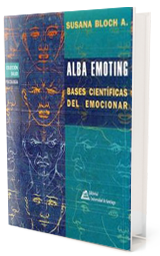
BASES CIENTÍFICAS DEL EMOCIONAR
Bloch, S. (2002)
Este libro presenta una investigación científica que responde a este tipo de preguntas ¿Cuáles son las emociones básicas?.

EL ALBA DE LAS EMOCIONES
Bloch, S. (2002)
Alba Emoting es un método que permite a toda persona conectarse físicamente con sus emociones básicas
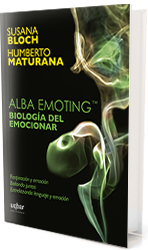
BIOLOGÍA DEL EMOCIONAR
Susana Bloch y Humberto Maturana (1996)
Gracias a esta re edición realizada el año 2014, podemos asistir a esta danza creativa