
Arch Pro is a precision-tuned LOG to REC709 LUT system built specifically for the Pocket Cinema Camera 4K, 6K, and 6K Pro. The base set includes a Natural LUT along with Filmic and Vibrant character LUTs—each one uniquely matched to your camera’s sensor and LOG profile. This isn’t one-size-fits-all, it’s one-for-each, engineered for color that just works.
Want more? The Plus and Premium Bundles unlock stylized Film Looks and DaVinci Wide Gamut support for Resolve users.




Whether you’re a filmmaker, YouTuber, or weekend warrior, if you're working with Pocket 4K, 6K, or 6K Pro footage, this is the fastest way to make it shine. Arch Pro enhances highlight rolloff, improves skin tone, and just looks good.
Import Arch Pro LUTs right into your Pocket Cinema Camera to preview the colors live — great for livestreams, fast turnarounds, or video village. Burn it in if you want. Shoot LOG and tweak later if you don’t.


Create a cohesive cinematic look without obsessing over complex node trees. Whether you’re cutting a music video or a doc on a deadline, these LUTs hold their own — and still play nice with secondary grading and effects.


Arch Pro Plus adds 12 pre-built Film Looks that range from elegant monochromes to punchy stylization. Everything from a Black & White so classy it’d make Fred Astaire jump for joy to a Teal & Orange that could coax a single tear down Michael Bay’s cheek.


Arch Pro Premium unlocks a secret weapon: DaVinci Wide Gamut support. No Rec709 bakes. No locked-in looks. Just a clean, accurate conversion into DaVinci’s modern color space — built for real post workflows and future-proof grades.


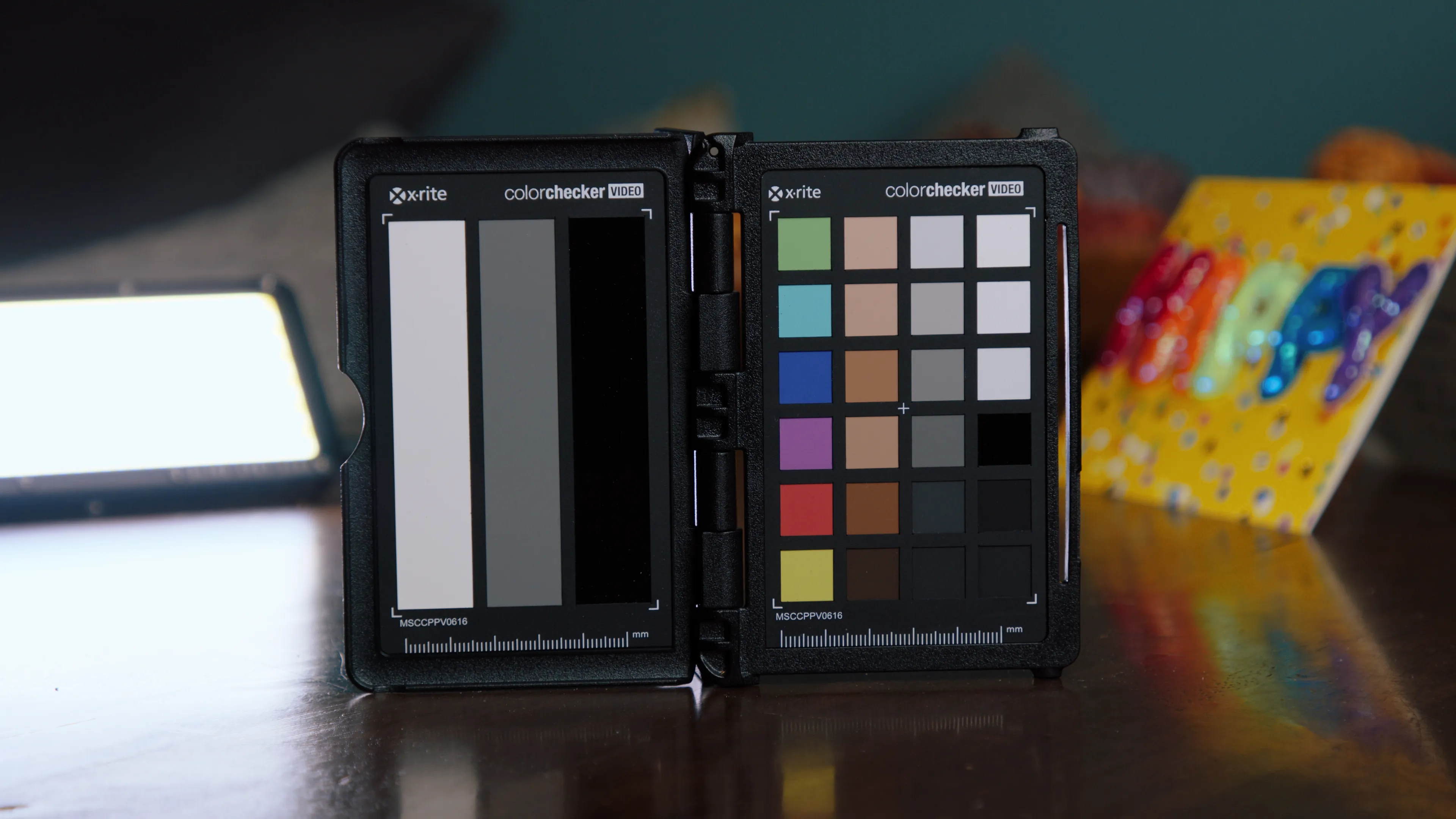
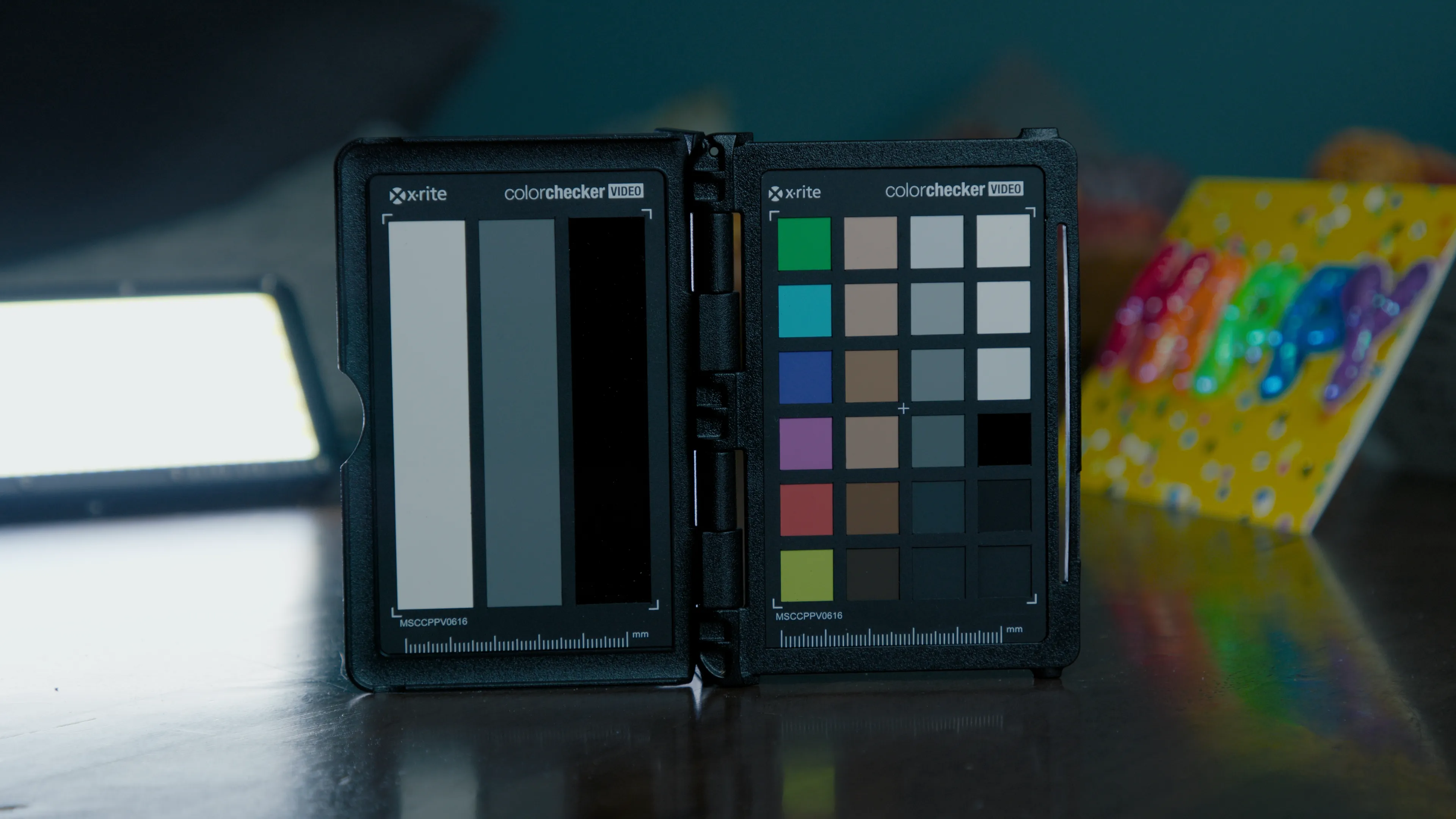
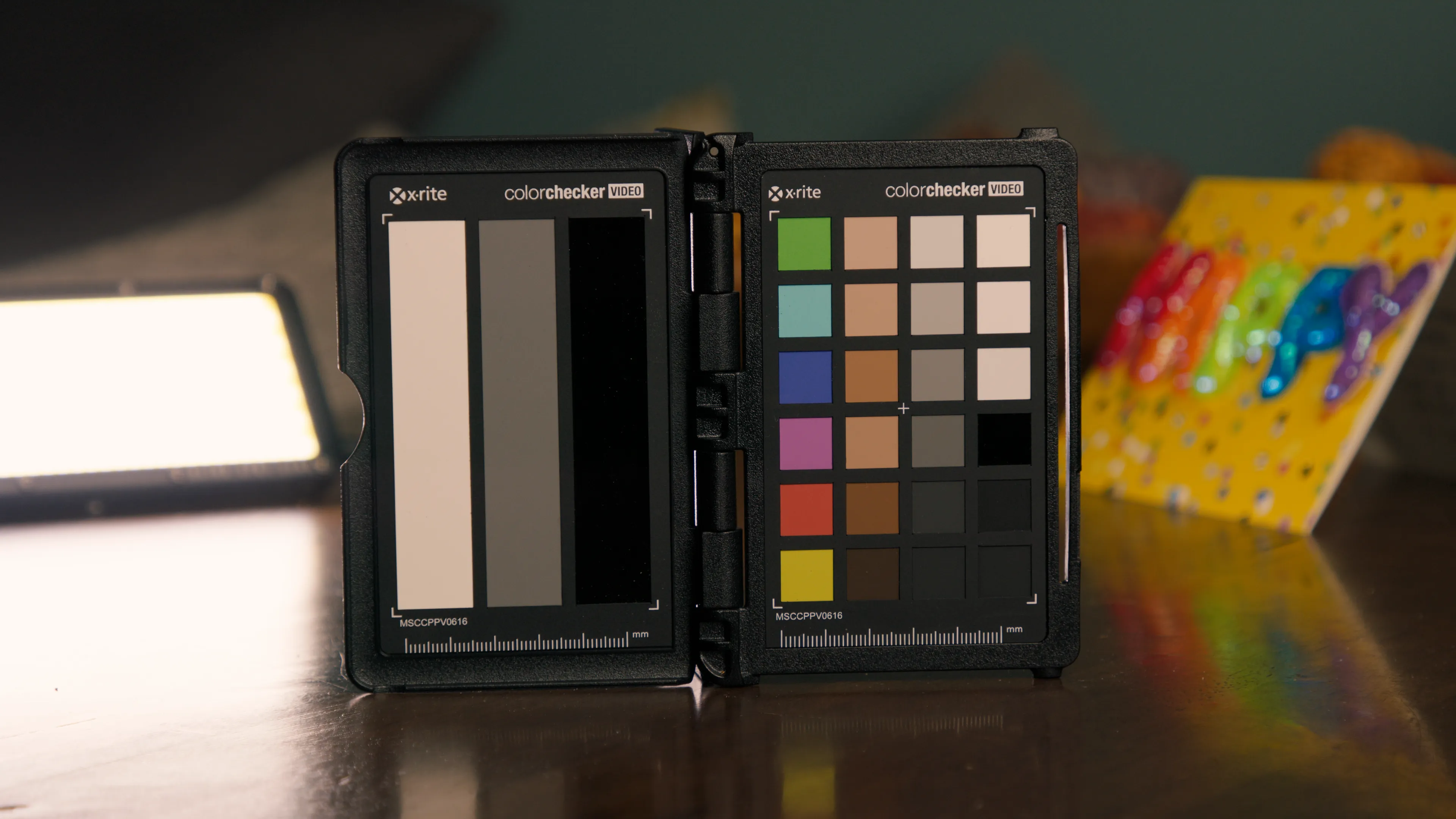
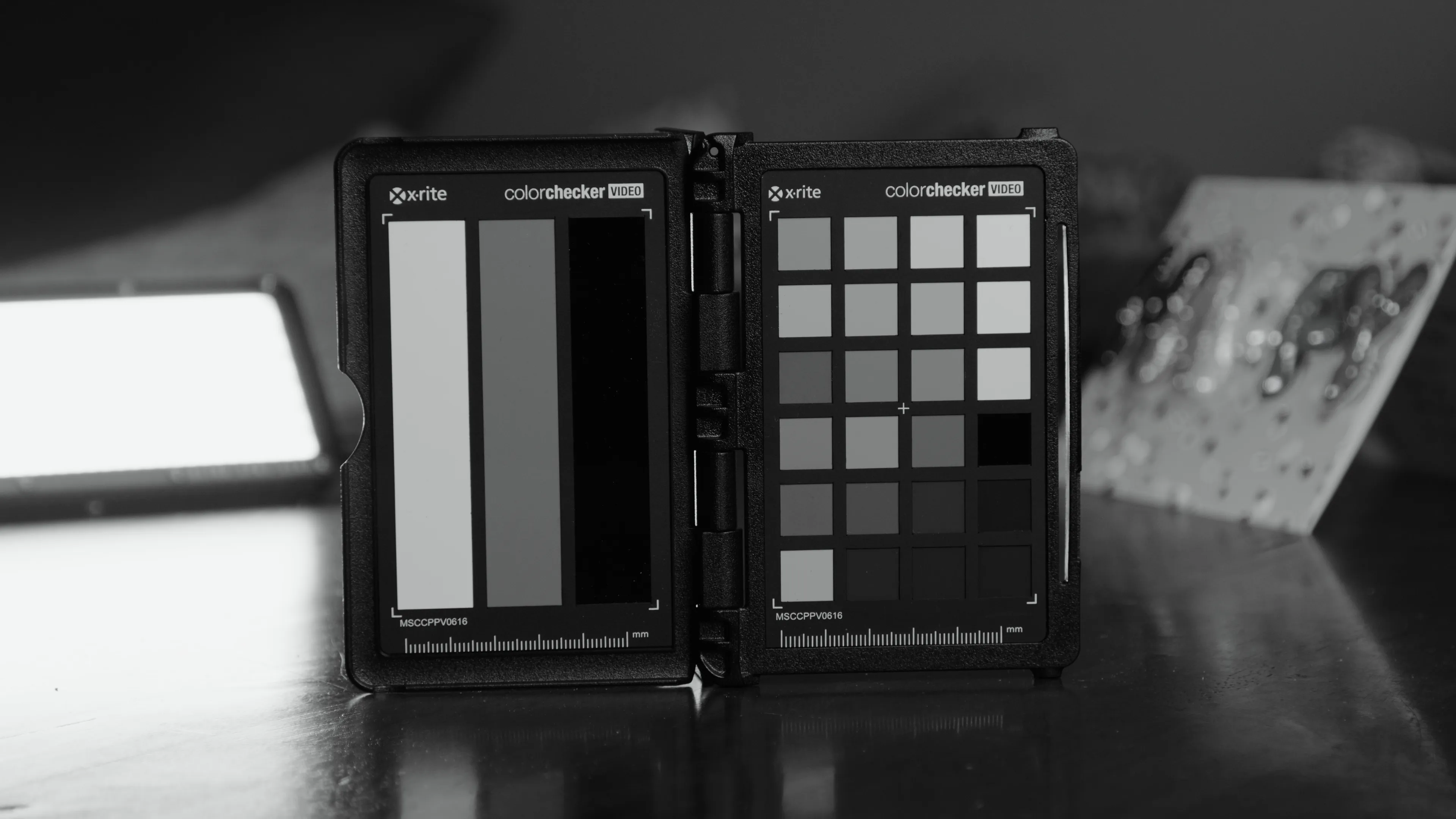
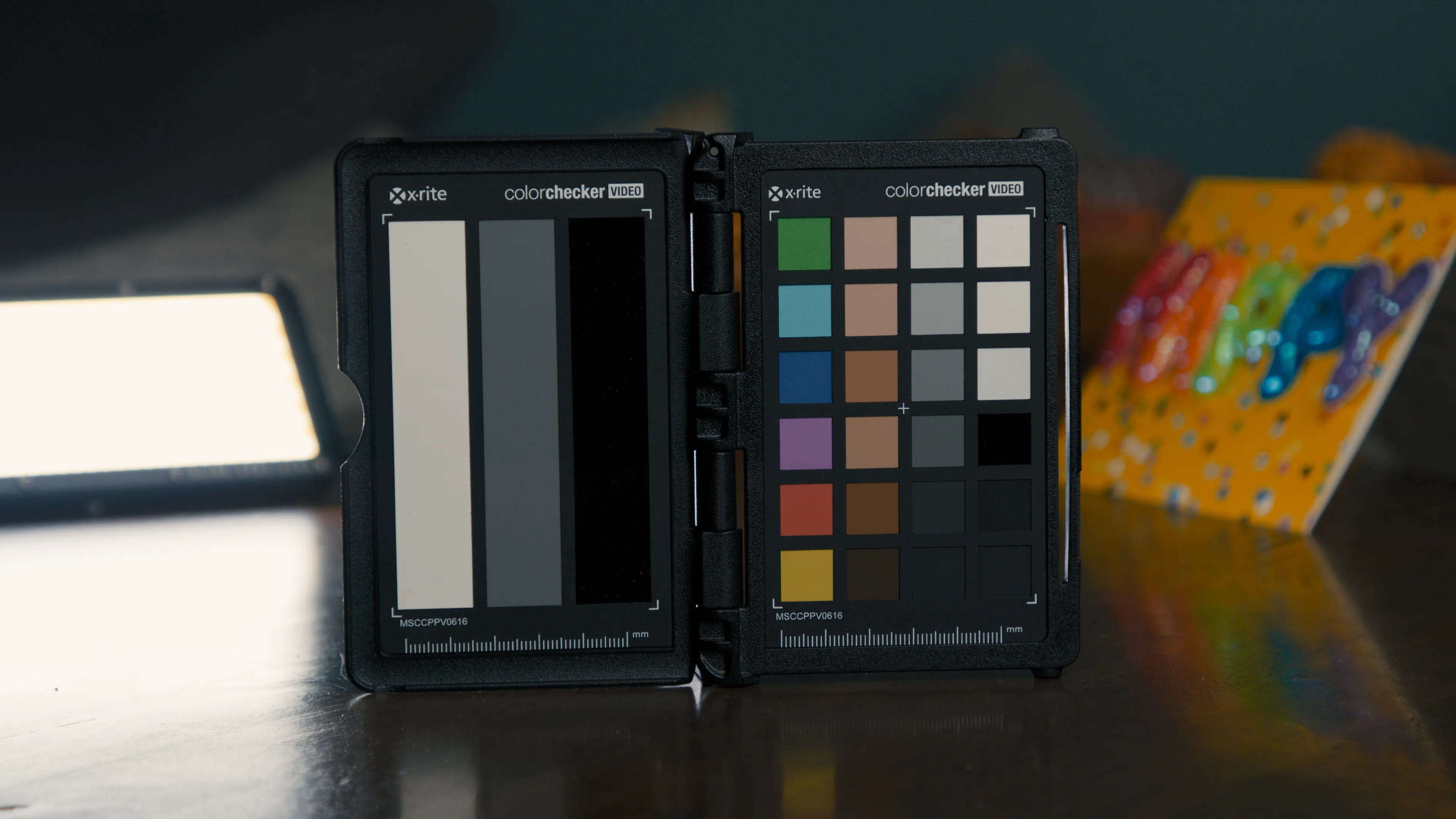
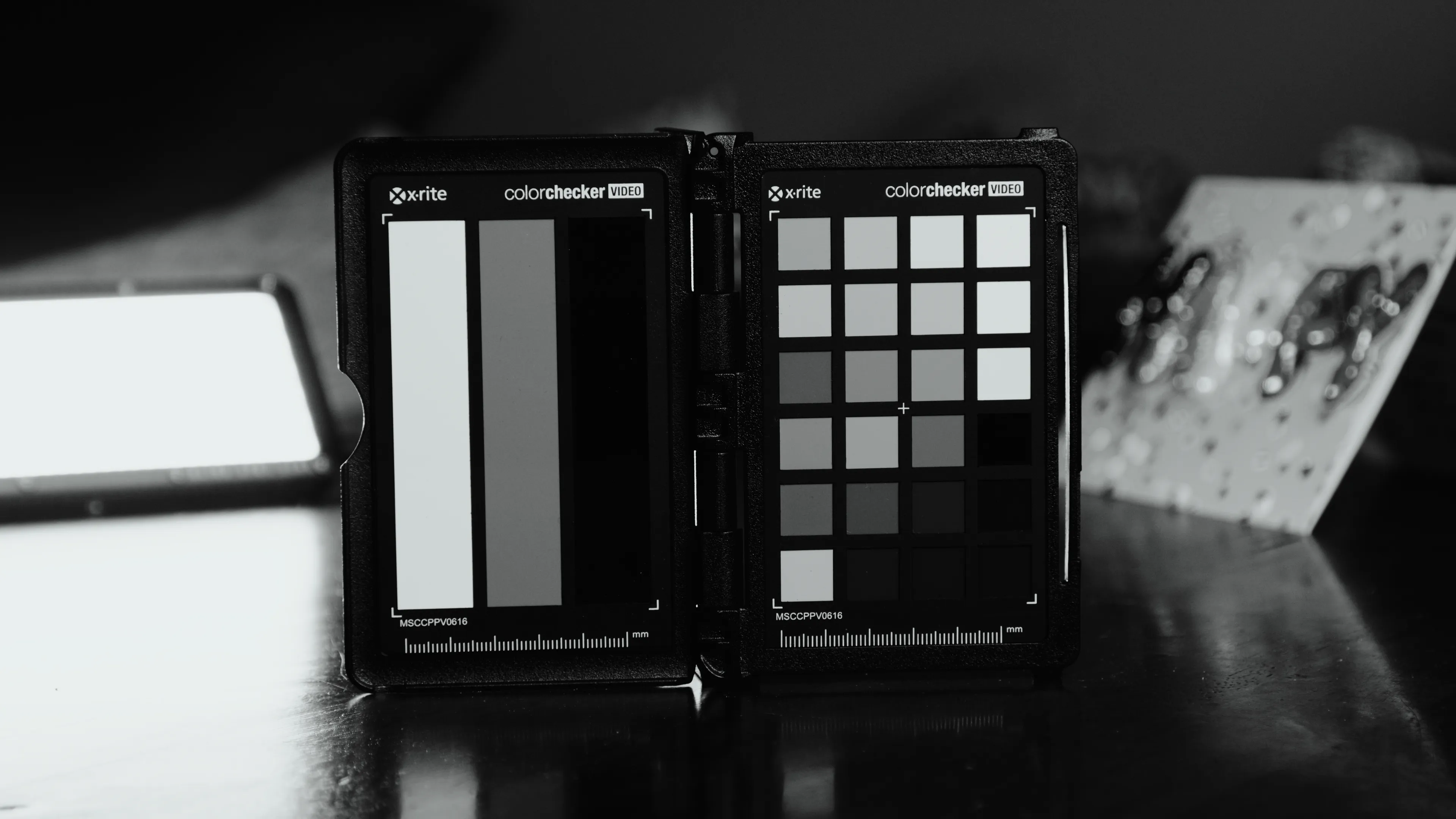
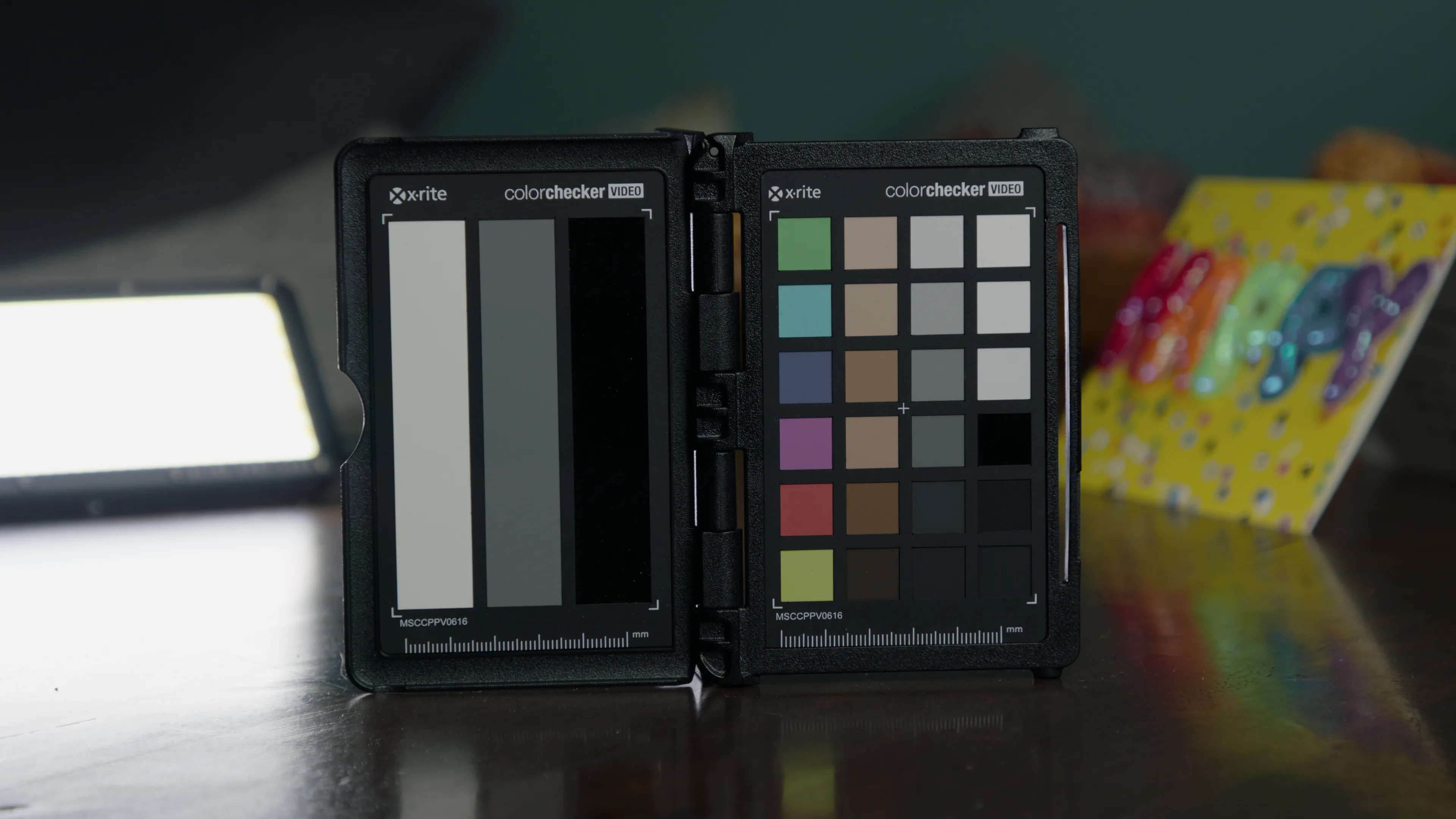
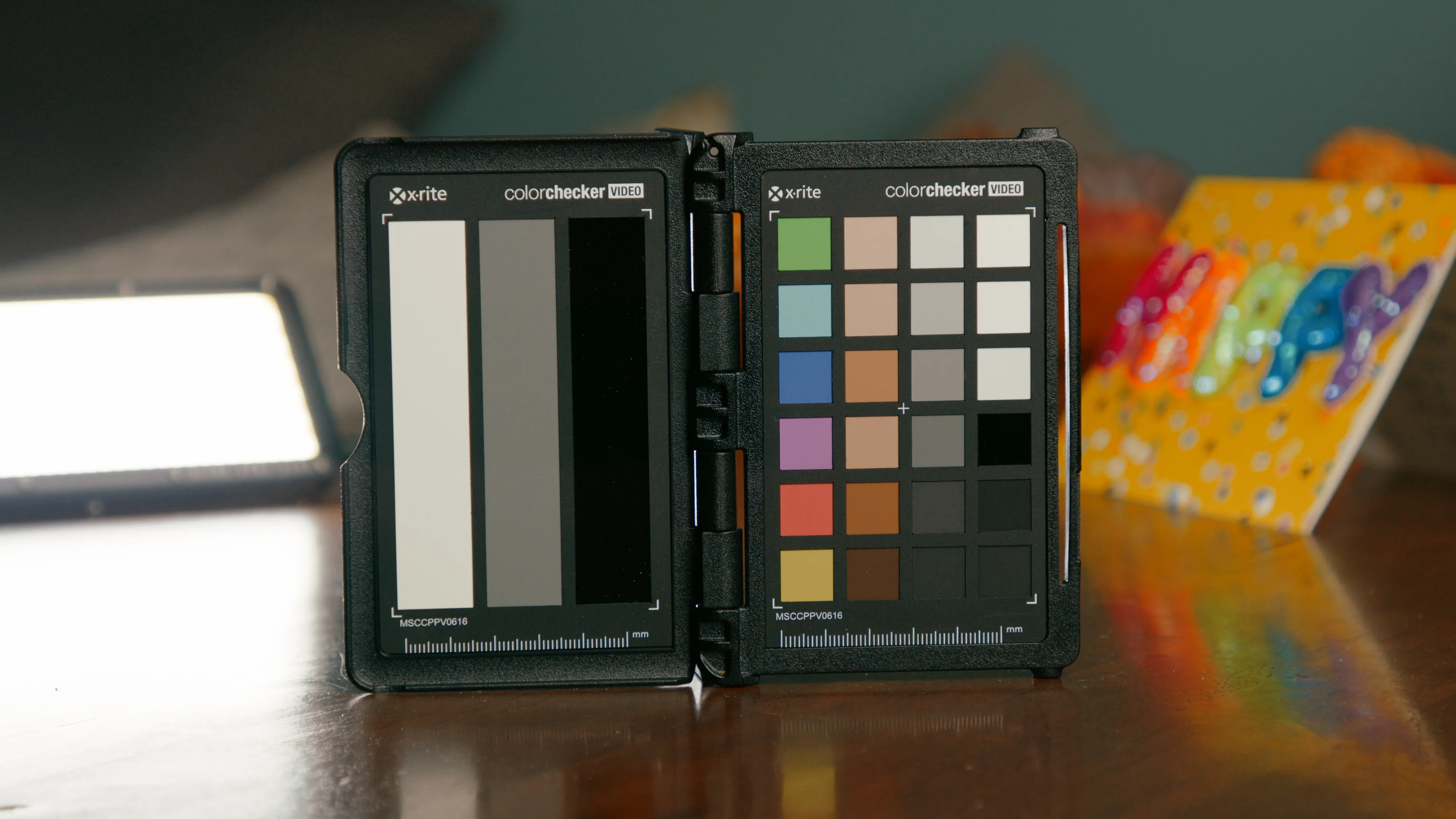
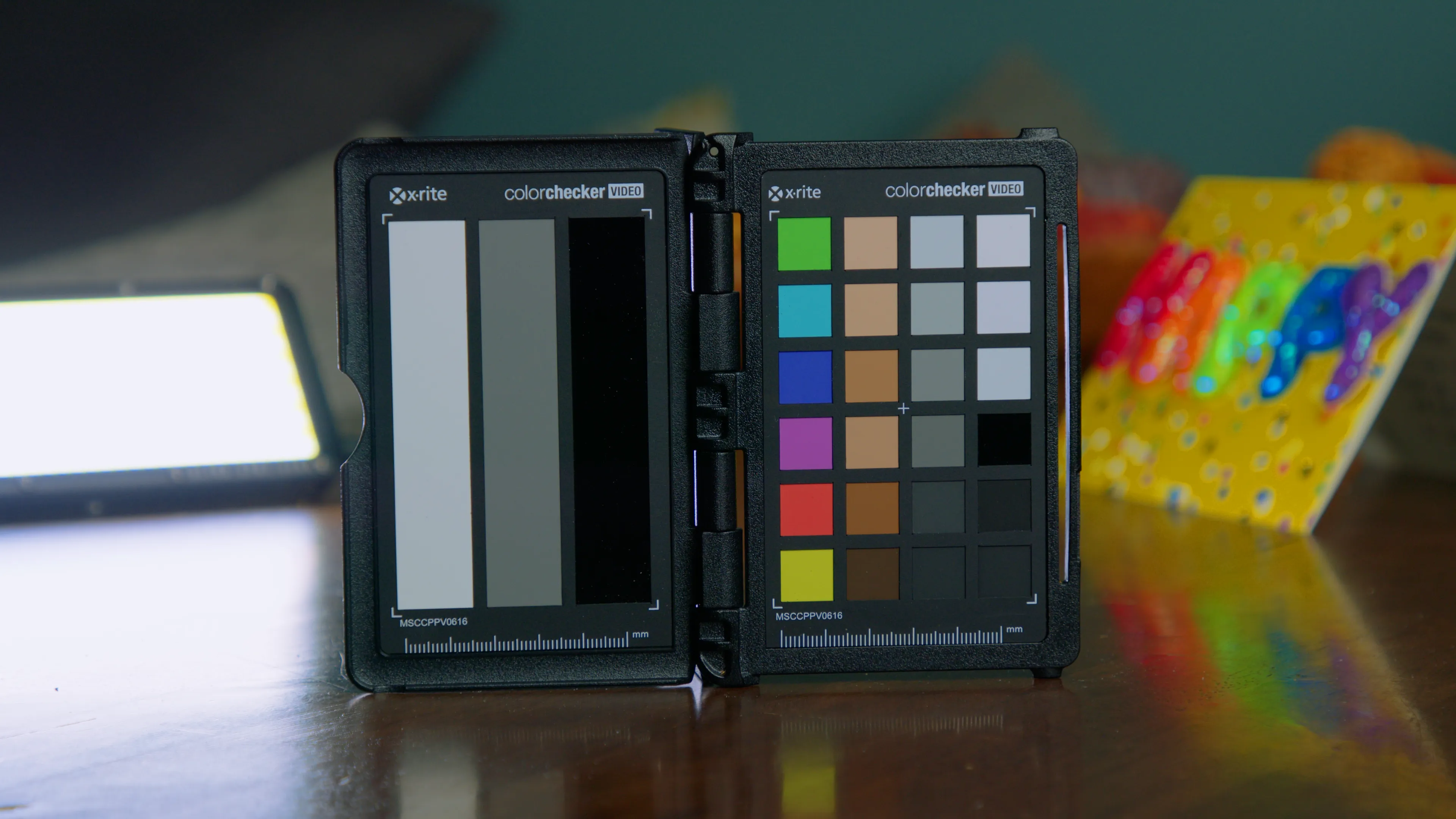
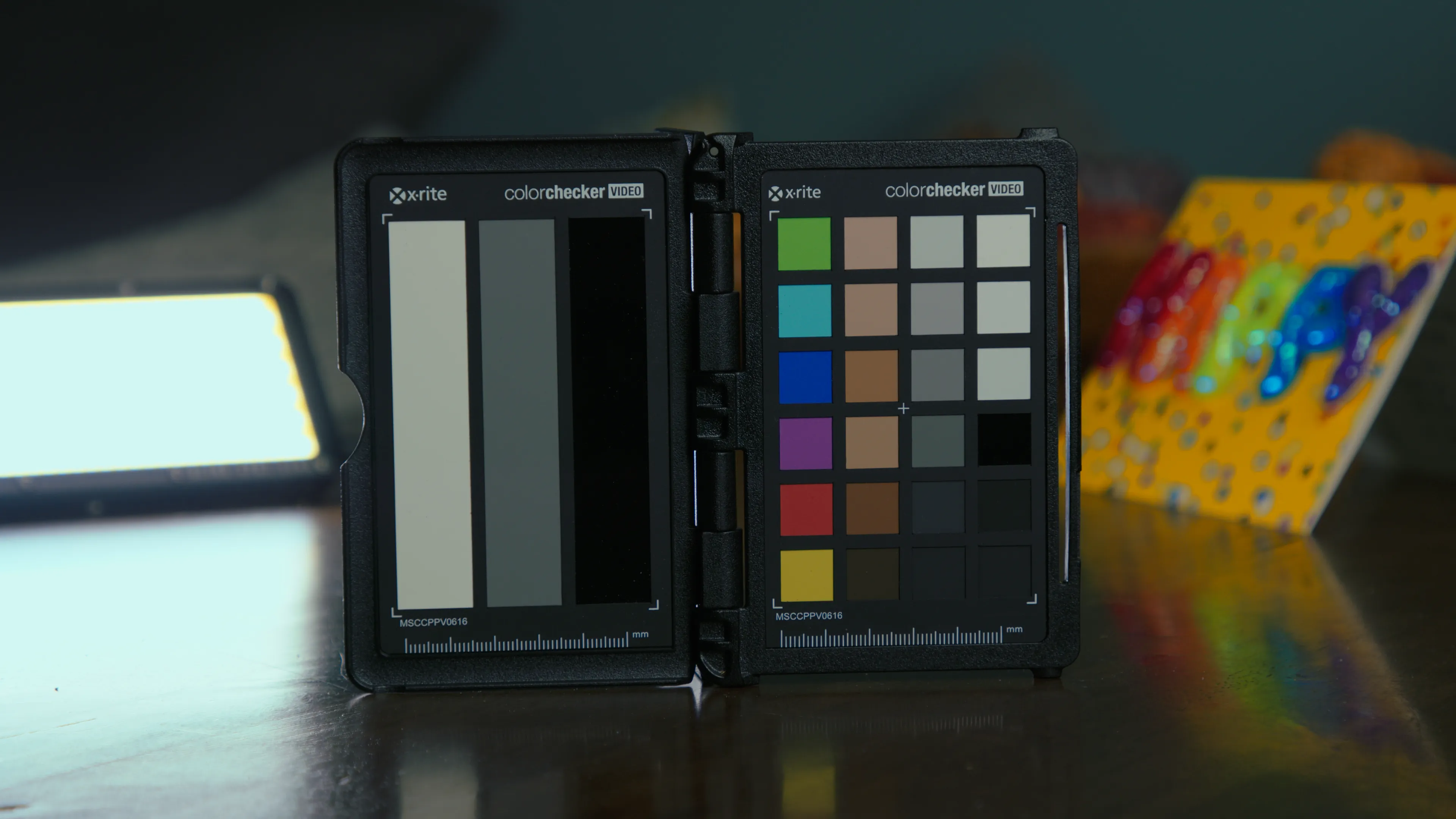
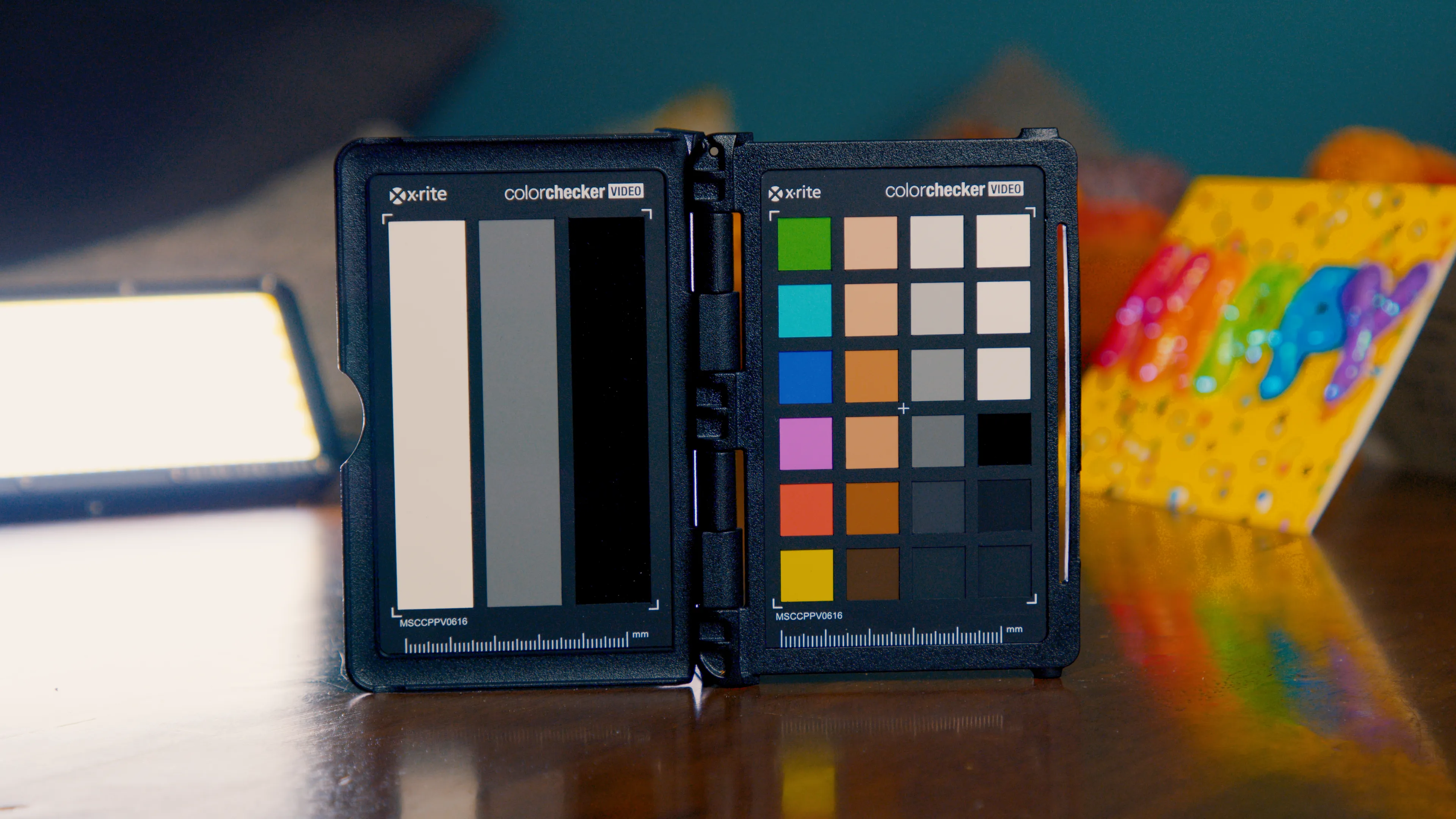
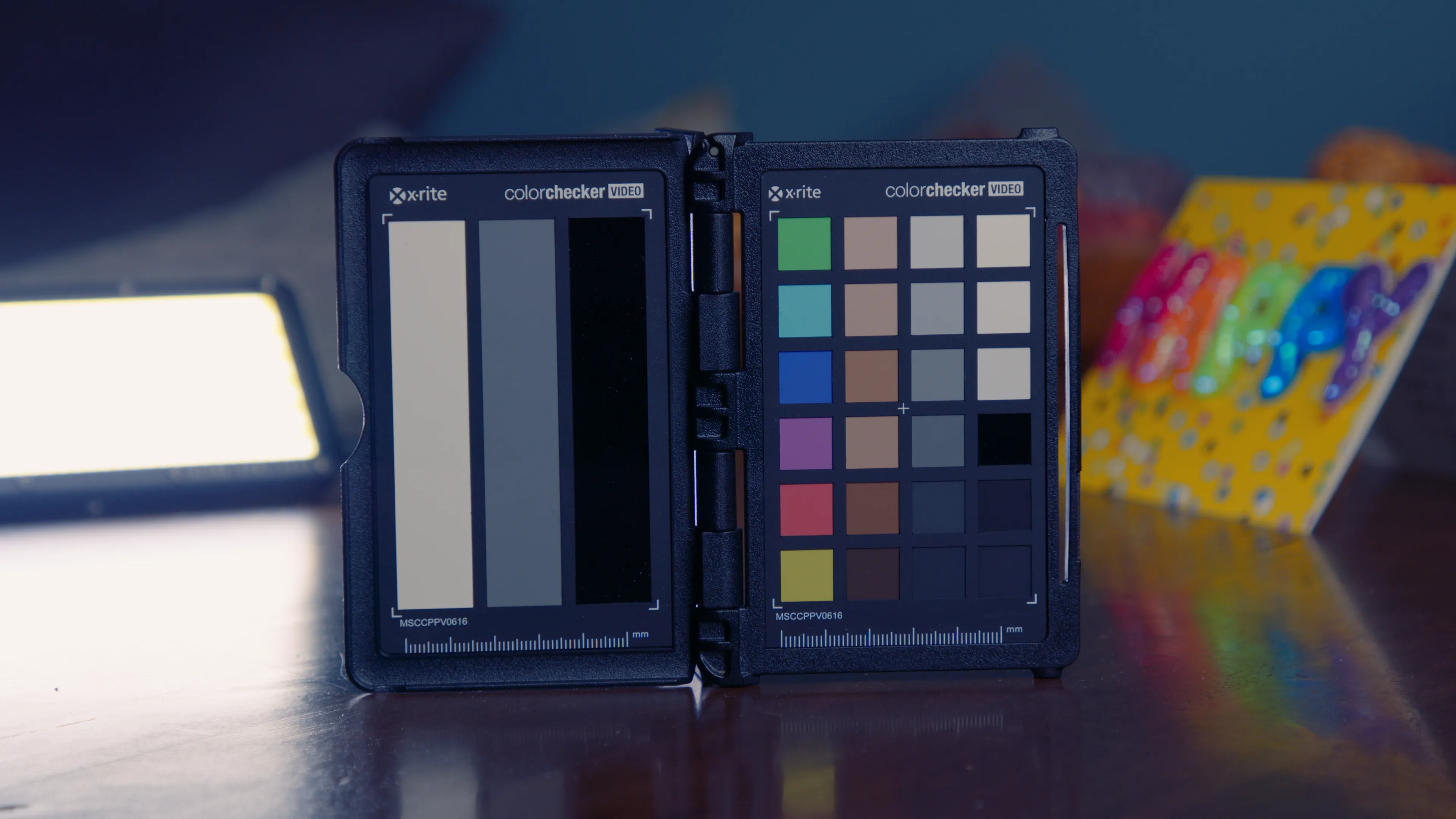
All of these examples were shot in BRAW with Gen 5 color science. On the left: Blackmagic’s built-in Extended Video LUT. On the right: Arch Pro Natural.
This isn't showing a LOG-to-Rec709 miracle like most do, this is comparing what you’d actually get side-by-side. The difference between good enough
and being there.






















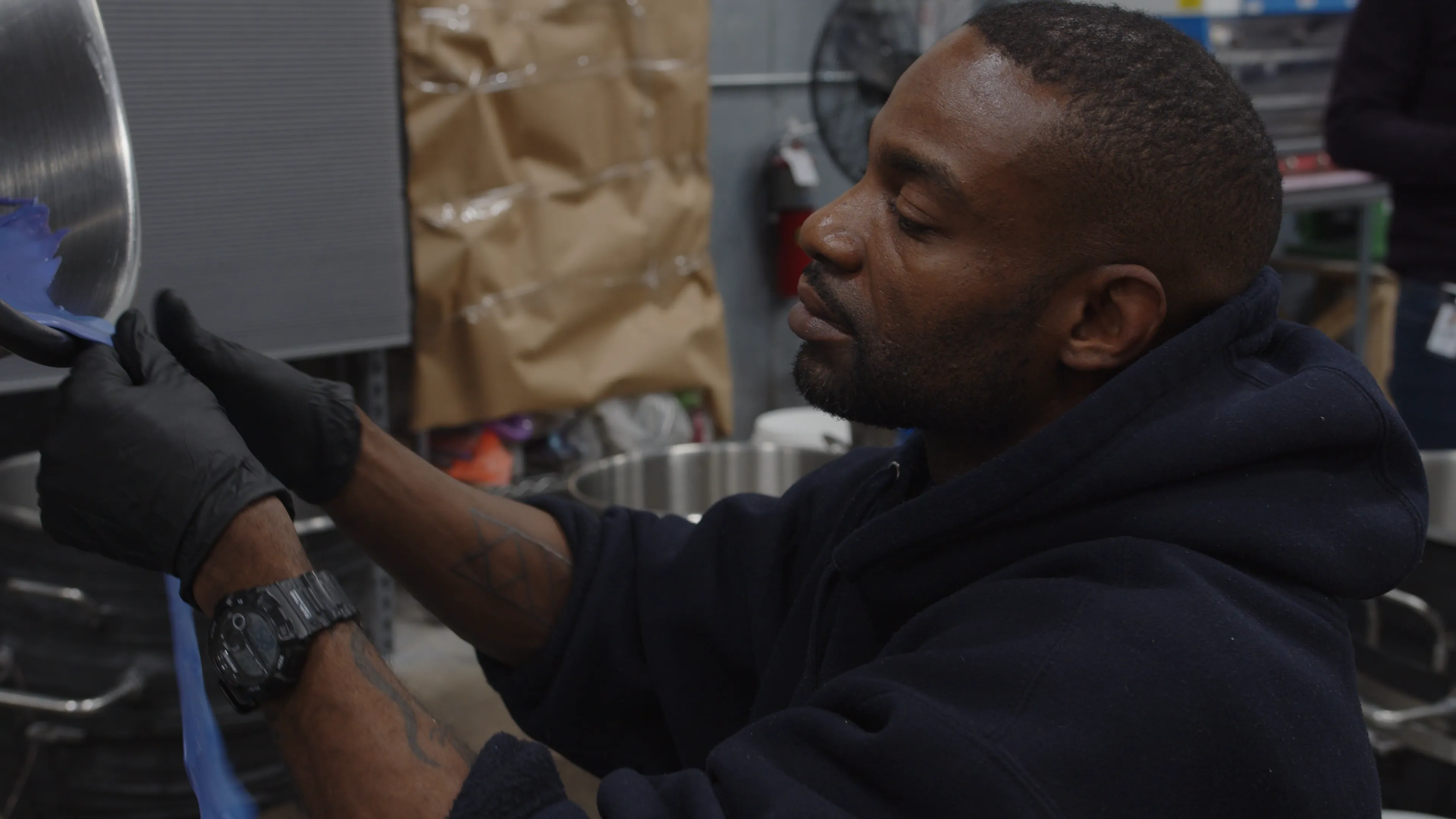
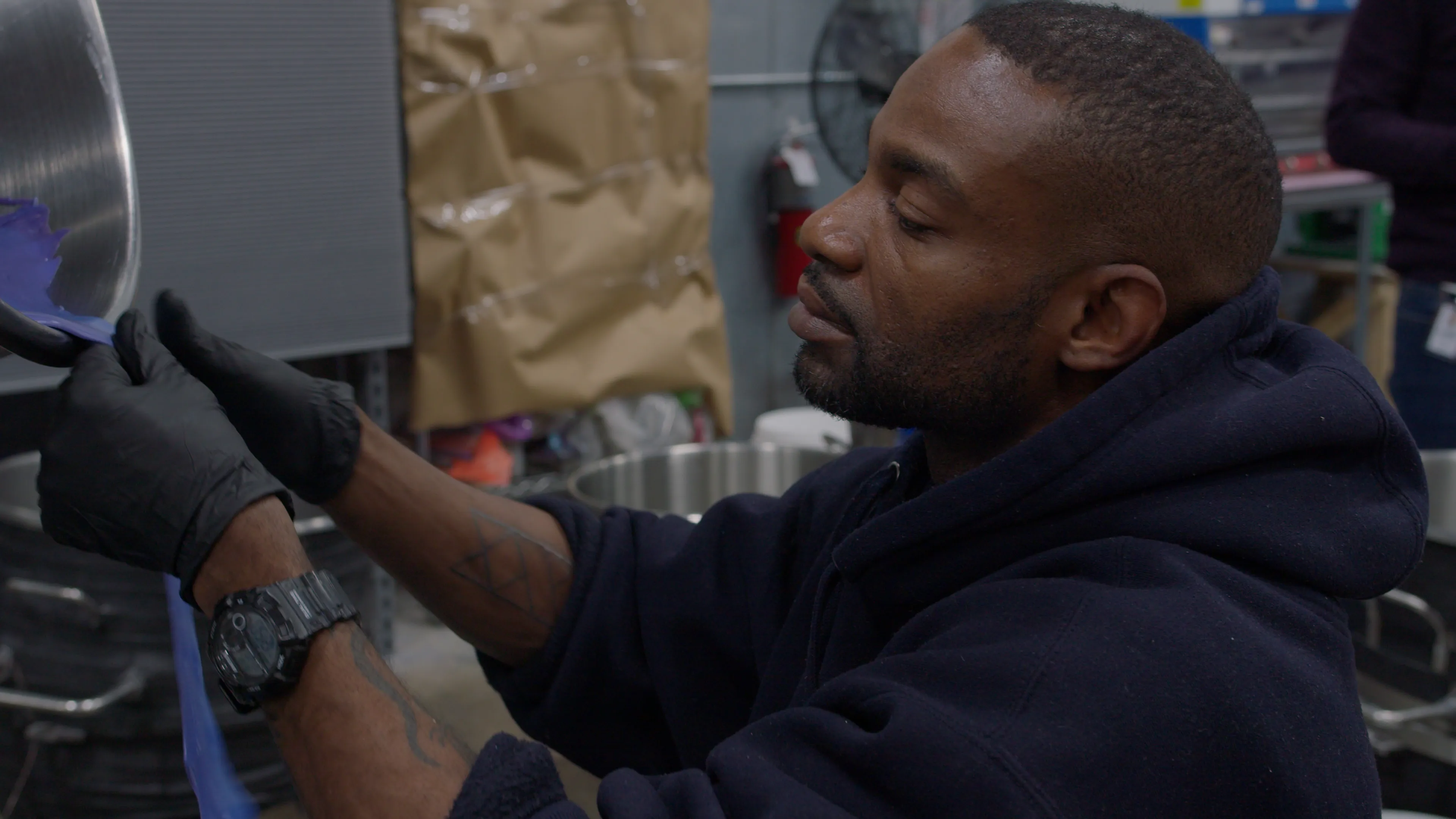




Arch Pro Plus gives you 12 distinct looks for your footage. Arch Pro Premium gives you the same looks with full DaVinci Wide Gamut support!
Use this nifty chart to help you decide which flavor of Arch Pro is right for you.
Not sure? Start with Plus — it’s what ~70% of customers choose!
These are just a handful of teams that rely on Arch Pro for their productions.






The top priority of this LUT is to make skin tones—of all shades—look remarkable.

Between shooting midday weddings & music festivals, I've mastered the art of the highlight roll off!

I always find myself tinting towards magenta in-camera, so I set out to fix the green channel!

Gives you a very robust starting point that holds up to heavy grading and effects.

Yanno how the Extended Video LUT just kinda looks like mud? Well, kiss that look goodbye!

Compatible with any application that supports LUTs on Windows, Mac, and iOS.

As new LUTs are developed for the set or Blackmagic Color Science evolves, you'll get updates for free!
The first line of defense is the most humble and often overlooked: the manual clean. Pull the machine away from the wall—a task requiring more strength and less fear of spiders than one might expect. Disconnect the corrugated drain hose from the standpipe. This hose, grey and ribbed like an elephant’s trunk, is often the primary bottleneck. Shine a flashlight inside. There, at the bend, you will likely find a wet, felt-like plug of lint. Reach in with a gloved hand or a long pair of pliers. Pull it out. It is a disgusting, oddly satisfying mass, like pulling a wet sweater from the throat of a beast. Often, this single act restores flow completely. We forget that the simplest solution is the most effective, preferring to reach for chemicals before our own two hands.
There is a particular sound that signals domestic doom: the gurgle. Not the cheerful chug of a washing machine completing its cycle, but a wet, reluctant sigh from the standpipe behind the unit. You notice it first as a puddle spreading across the laundry room floor, or the unpleasant realization that your clothes have been rinsed not in fresh water, but in a murky, stagnant soup of their own making. The culprit is almost always the drain pipe, and the problem, while foul, is almost always solvable. Unclogging a washing machine drain pipe is not merely a chore; it is a lesson in patience, physics, and the strange ecology of a household. how to unclog washing machine drain pipe
Before any tool touches a pipe, one must understand the enemy. A washing machine drain clog is rarely a single object. Unlike a sink clog, which might be a solid mass of hair and grease, a laundry drain is a living sediment. It is composed of lint—thousands of microscopic fibers sloughed off from jeans and towels—mixed with the sticky residue of detergent, the grey film of body oils, and the occasional rogue coin or broken zipper. Over time, this slurry coats the inside of the pipe like arterial plaque. Water slows, then backs up. The first principle of clearing it is simple: do not make it worse. Running the machine again is an act of futility, flooding the floor with dirty water and packing the clog tighter. The first line of defense is the most
If the hose is clear but the standpipe—the vertical plastic or metal pipe into which it drains—still gurgles, the clog lies deeper. Here, the householder faces a choice. The chemical route, with its caustic crystals and eye-watering fumes, is tempting. Pour, wait, flush. But washing machine drains are rarely straight; they have traps, bends, and long horizontal runs. Chemicals can heat the pipe dangerously, fail to reach the clog, or simply create a new, hardened blockage downstream. Worse, they turn a physical problem into a hazardous one. A plumber’s snake or a flexible “drain auger” is the superior tool. It respects the material nature of the clog. This hose, grey and ribbed like an elephant’s
Feeding an auger into a standpipe requires a certain touch. You push slowly, cranking the handle, feeling for resistance. When the tip meets the clog, it is not a sudden stop but a spongy give—like pushing a wire into a pile of wet cotton. Then comes the delicate part: you must hook the mass, not just puncture it. Twist the auger, pull back gently, and withdraw. On the end of the coil, you will find a dripping, foul-smelling “flag” of grey lint, soap scum, and time. Clean it off. Repeat. Three, four, five times, until the auger slides down the full depth of the pipe without resistance. Finally, flush with a bucket of hot water. If it drains instantly, with a clean, hollow sound, you have won.
Prevention, as with most domestic ills, is cheaper than cure. A simple mesh filter over the end of the washing machine’s drain hose costs pennies and catches the lion’s share of lint. Monthly, run an empty cycle with a cup of white vinegar or a commercial washing machine cleaner to break down biofilm. And consider the clothes themselves: shaking out heavily soiled rugs or pet beds before washing can keep pounds of debris out of the plumbing system.
To unclog a drain pipe is to engage in a small, messy battle against entropy. The water wants to flow downhill; that is its nature. We build pipes to guide it, and over time, our own habits—our detergents, our synthetic fabrics, our desire for convenience—build a dam against that natural law. Clearing the clog restores not just function but order. And when you finally hear the machine pump out its water with a decisive rush, and the pipe falls silent, you feel something odd: a quiet, ridiculous pride. You have bested the gurgle. At least until next month.
The first line of defense is the most humble and often overlooked: the manual clean. Pull the machine away from the wall—a task requiring more strength and less fear of spiders than one might expect. Disconnect the corrugated drain hose from the standpipe. This hose, grey and ribbed like an elephant’s trunk, is often the primary bottleneck. Shine a flashlight inside. There, at the bend, you will likely find a wet, felt-like plug of lint. Reach in with a gloved hand or a long pair of pliers. Pull it out. It is a disgusting, oddly satisfying mass, like pulling a wet sweater from the throat of a beast. Often, this single act restores flow completely. We forget that the simplest solution is the most effective, preferring to reach for chemicals before our own two hands.
There is a particular sound that signals domestic doom: the gurgle. Not the cheerful chug of a washing machine completing its cycle, but a wet, reluctant sigh from the standpipe behind the unit. You notice it first as a puddle spreading across the laundry room floor, or the unpleasant realization that your clothes have been rinsed not in fresh water, but in a murky, stagnant soup of their own making. The culprit is almost always the drain pipe, and the problem, while foul, is almost always solvable. Unclogging a washing machine drain pipe is not merely a chore; it is a lesson in patience, physics, and the strange ecology of a household.
Before any tool touches a pipe, one must understand the enemy. A washing machine drain clog is rarely a single object. Unlike a sink clog, which might be a solid mass of hair and grease, a laundry drain is a living sediment. It is composed of lint—thousands of microscopic fibers sloughed off from jeans and towels—mixed with the sticky residue of detergent, the grey film of body oils, and the occasional rogue coin or broken zipper. Over time, this slurry coats the inside of the pipe like arterial plaque. Water slows, then backs up. The first principle of clearing it is simple: do not make it worse. Running the machine again is an act of futility, flooding the floor with dirty water and packing the clog tighter.
If the hose is clear but the standpipe—the vertical plastic or metal pipe into which it drains—still gurgles, the clog lies deeper. Here, the householder faces a choice. The chemical route, with its caustic crystals and eye-watering fumes, is tempting. Pour, wait, flush. But washing machine drains are rarely straight; they have traps, bends, and long horizontal runs. Chemicals can heat the pipe dangerously, fail to reach the clog, or simply create a new, hardened blockage downstream. Worse, they turn a physical problem into a hazardous one. A plumber’s snake or a flexible “drain auger” is the superior tool. It respects the material nature of the clog.
Feeding an auger into a standpipe requires a certain touch. You push slowly, cranking the handle, feeling for resistance. When the tip meets the clog, it is not a sudden stop but a spongy give—like pushing a wire into a pile of wet cotton. Then comes the delicate part: you must hook the mass, not just puncture it. Twist the auger, pull back gently, and withdraw. On the end of the coil, you will find a dripping, foul-smelling “flag” of grey lint, soap scum, and time. Clean it off. Repeat. Three, four, five times, until the auger slides down the full depth of the pipe without resistance. Finally, flush with a bucket of hot water. If it drains instantly, with a clean, hollow sound, you have won.
Prevention, as with most domestic ills, is cheaper than cure. A simple mesh filter over the end of the washing machine’s drain hose costs pennies and catches the lion’s share of lint. Monthly, run an empty cycle with a cup of white vinegar or a commercial washing machine cleaner to break down biofilm. And consider the clothes themselves: shaking out heavily soiled rugs or pet beds before washing can keep pounds of debris out of the plumbing system.
To unclog a drain pipe is to engage in a small, messy battle against entropy. The water wants to flow downhill; that is its nature. We build pipes to guide it, and over time, our own habits—our detergents, our synthetic fabrics, our desire for convenience—build a dam against that natural law. Clearing the clog restores not just function but order. And when you finally hear the machine pump out its water with a decisive rush, and the pipe falls silent, you feel something odd: a quiet, ridiculous pride. You have bested the gurgle. At least until next month.