
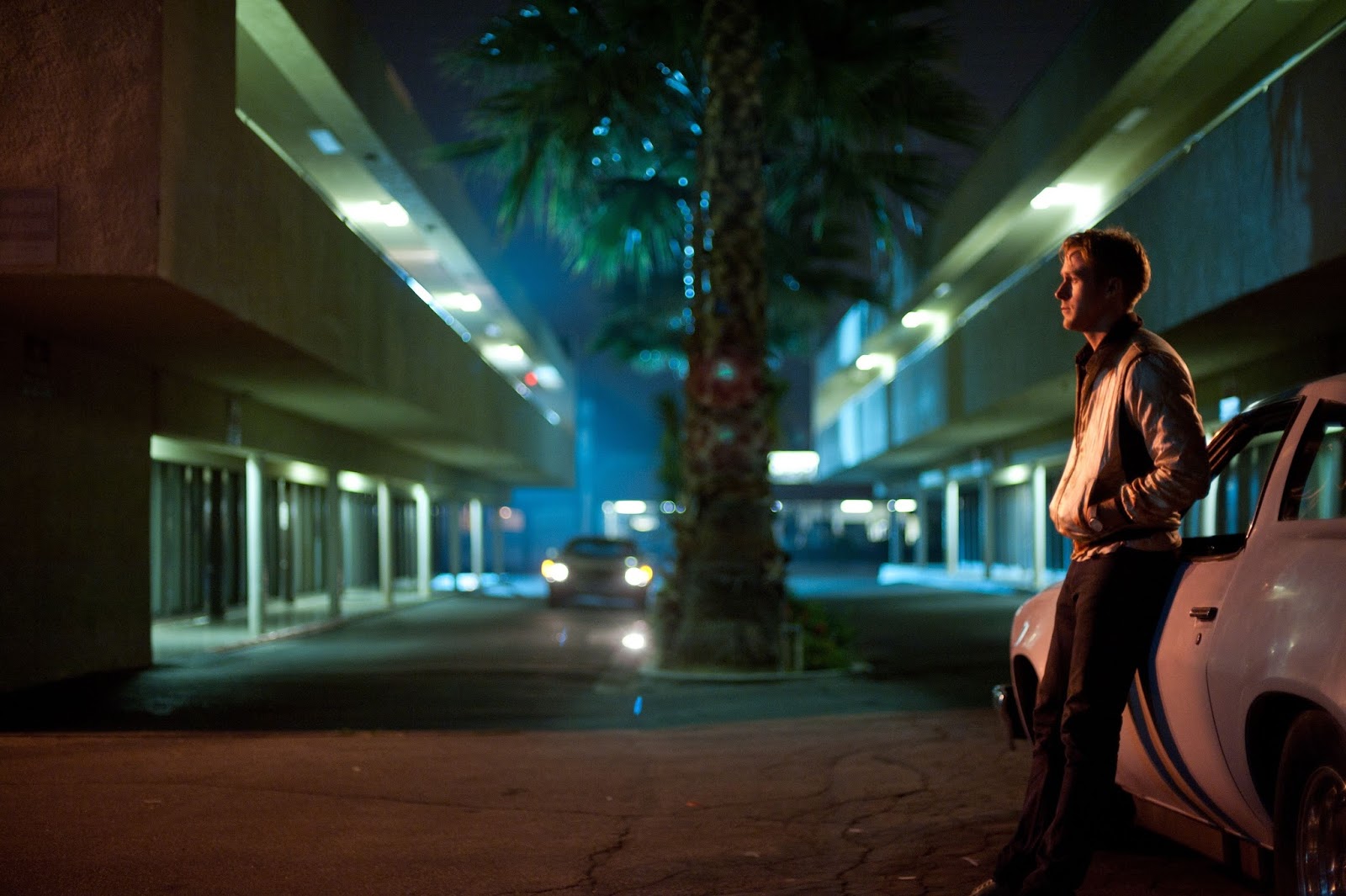
Movie: Dtph
This ambiguous, quietly devastating ending has fueled endless debate. Is Gouda a metaphor for their lost ambition? Their innocence? A real dog they neglected? The film offers no answers, only the image of two young people choosing, actively, to remain lost. In an era of bloated franchises and algorithm-driven content, DTPH is a defiant whisper. It is a film that dares to be small, slow, and sad. It does not care if you like it. It does not care if you finish it. It exists as a document of a specific mood—the hangover of a generation that was promised everything and given a participation trophy and a mountain of student debt.
The dog, , functions as a silent, four-legged god. Is he real? There are hints that Gouda may be a shared hallucination, a tulpa created by Zane and Margo’s collective need for purpose. In one pivotal scene, they find a photograph of themselves from a week prior, and Gouda is not in it. They stare at the photo, then at the empty leash in Margo’s hand. No words are exchanged. The camera holds on their faces for a full minute as confusion gives way to a shrug, and they light another joint. This is the film’s thesis: in a world without objective meaning, the subjective search is the meaning. dtph movie
DTPH is not for everyone. In fact, it’s for almost no one. But for that small, scruffy audience—the ones who have woken up at 3 PM on a Tuesday with no texts, no plans, and no idea what day it is—this film is a mirror. It says: you are not alone in your pointless quest. And sometimes, that is enough. Now, if you’ll excuse me, I think I hear a dog barking somewhere. Or maybe it’s just the wind. DTPH? Rating: 4/5 broken vape pens. Streaming on: Basically nowhere, but check the usual pirate havens or DM @gouda_forever on Instagram. A real dog they neglected
The inciting incident is laughably mundane: after a particularly potent session with a mysterious strain of marijuana called “Ghost of the 90s,” Zane and Margo wake up to find Gouda missing. The door is ajar. A single, muddy paw print leads to the fire escape. What follows is not a frantic search, but a languid, meandering odyssey across the city’s forgotten corners. The title DTPH is their code, a text sent to a small circle of fellow drifters, meaning “Down to Play Hooky?”—an invitation to abandon responsibility and join the aimless quest. It is a film that dares to be small, slow, and sad