In conclusion, the is not a place but a paradigm. It represents the inevitable collision of the abstract and the elemental—the server farm and the cattle farm. Its success will not be measured by the volume of trades alone, but by whether it can bring the efficiency of business trade to the ranch without severing the rancher’s connection to the land. It is the new frontier of commerce, where the digital lasso meets the physical herd.
The implications of such a model are profound. For ranchers, it democratizes access to national buyers and financial instruments previously reserved for agribusiness giants. For biztrade operators, it opens a stable, essential sector resistant to pure digital disruption—because a server crash cannot replace the need for physical beef or timber. However, this market also faces significant friction. The "digital divide" between high-frequency trading algorithms and the seasonal, weather-dependent reality of a ranch creates a clash of temporal cultures. Furthermore, the consolidation of these markets raises concerns: if one or two platforms control the "biztrade ranch market," they could wield immense power over global food prices and land use.
At its core, the "Biztrade" element represents the engine of digital intermediation. In the 21st century, business trade has migrated from handshake deals on factory floors to algorithmic matching on cloud platforms. A "Biztrade" market is characterized by logistics optimization, supply chain financing, and data-driven demand forecasting. It prioritizes velocity, volume, and verification. In this context, the "Ranch" serves as the crucial counterbalance. A ranch is not merely a farm; it is a closed-loop system involving land stewardship, livestock, feed, and water rights. It represents slow capital, biological growth cycles, and physical risk (weather, disease, commodity price shocks). The fusion of these two words suggests a marketplace that trades ranch-derived assets —from cattle futures and hay contracts to grazing rights and renewable energy leases—using biztrade tools.
The "Market" is where the synthesis occurs. A traditional ranch market might be a local livestock auction or a grain elevator. A biztrade ranch market, however, is a digital-physical hybrid. Imagine a platform where a feedlot operator in Texas can place a real-time bid for a shipment of corn from a cooperative in Iowa, while simultaneously hedging the transaction with weather derivatives and securing blockchain-verified proof of the grain's non-GMO status. This market extends beyond commodities; it includes the trade of ranch management software, autonomous tractor hours, and carbon credits generated through regenerative grazing practices.
In the evolving lexicon of modern economics, certain phrases capture the zeitgeist of a shifting commercial landscape more powerfully than traditional terms like "bazaar" or "shopping mall." The phrase “Biztrade Ranch Market” is one such construct. While it does not refer to a single, physical location, its components— Biztrade (business trade), Ranch (land and resource management), and Market (exchange)—synthesize to describe a powerful hybrid economic model. This model merges the efficiency of B2B (business-to-business) digital platforms with the tangible, asset-heavy reality of agricultural and land-based enterprise.
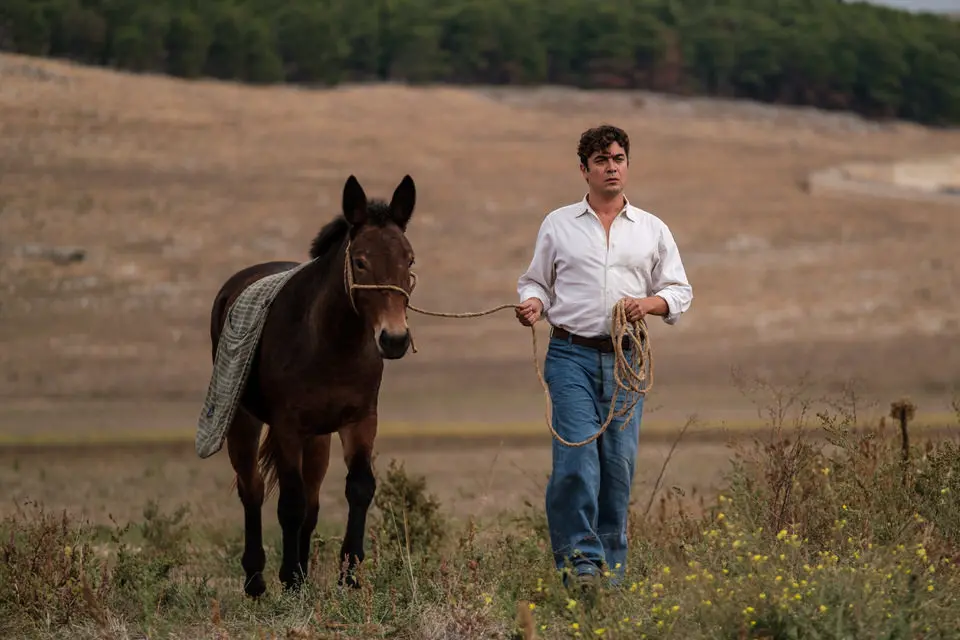
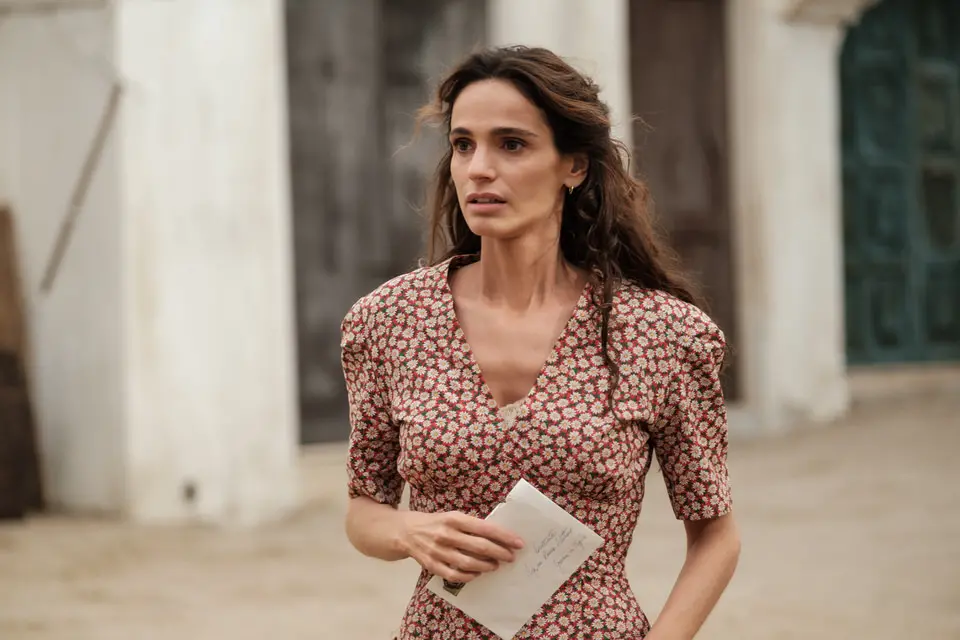
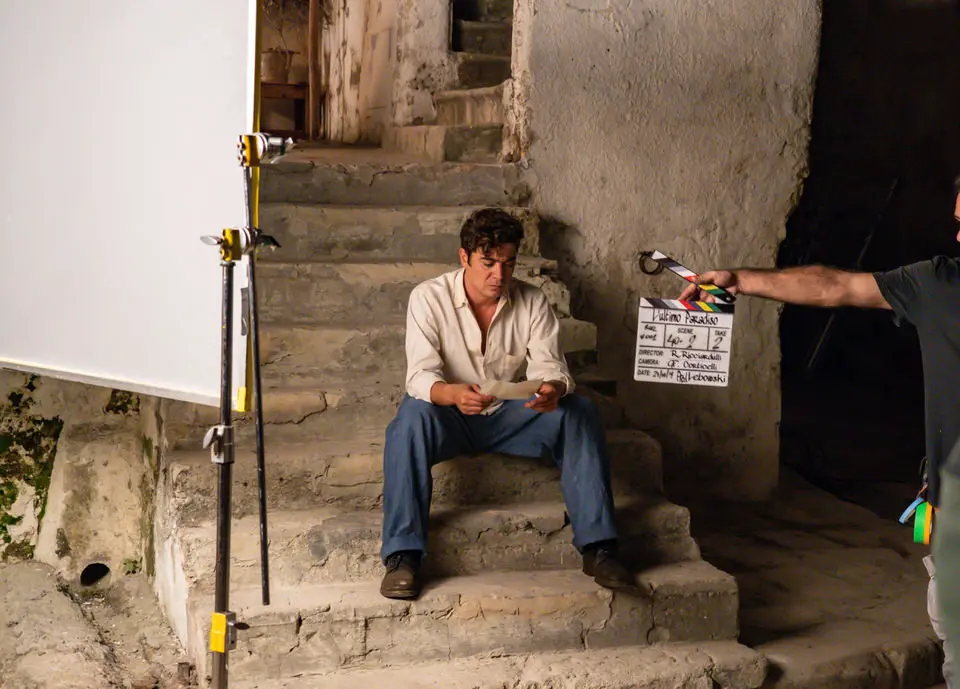
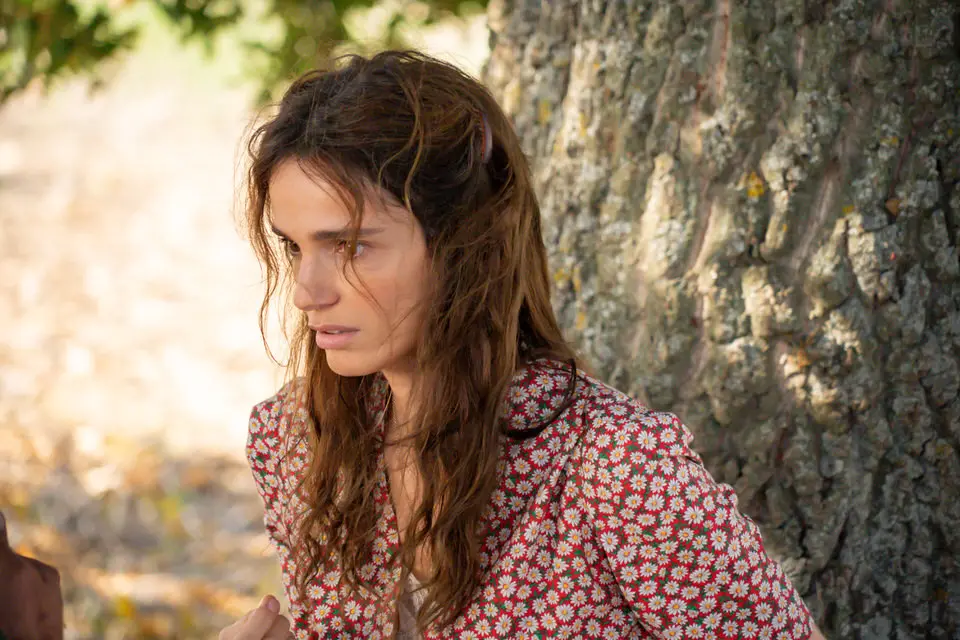
The director Rocco Ricciardulli, from Bernalda, shot his second film, L’ultimo Paradiso between October and December 2019, several dozen kilometres from his childhood home in the Murgia countryside on the border of the Apulia and Basilicata regions. The beautiful, albeit dry and arid landscape frames a story inspired by real-life events relating to the gangmaster scourge of Italy’s martyred lands. It is set in the late 1950’s, an era when certain ancestral practices of aristocratic landowners, archaic professions and a rigid division of work, owners and farmhands, oppressors and oppressed still exist and the economic boom is still far away, in time and space.
The borgo of Gravina in Puglia, where time seems to stand still, is perched at a height of 400m on a limestone deposit part of the fossa bradanica in the heart of the Parco nazionale dell’Alta Murgia. The film immortalizes the town’s alleyways, ancient residences and evocative aqueduct bridging the Gravina river. The surrounding wild nature, including olive trees, Mediterranean maquis and hectares of farm land, provides the typical colours and light of these latitudes. Just outside the residential centre, on the slopes of the Botromagno hill, which gives its name to the largest archaeological area in Apulia, is the Parco naturalistico di Capotenda, whose nature is so pristine and untouched that it provided a perfect natural backdrop for a late 1950s setting.
The alternative to oppression is departure: a choice made by Antonio whom we first meet in Trieste at the foot of the fountain of the Four Continents whose Baroque appearance decorates the majestic piazza Unità d’Italia.
The director Rocco Ricciardulli, from Bernalda, shot his second film, L’ultimo Paradiso between October and December 2019, several dozen kilometres from his childhood home in the Murgia countryside on the border of the Apulia and Basilicata regions. The beautiful, albeit dry and arid landscape frames a story inspired by real-life events relating to the gangmaster scourge of Italy’s martyred lands. It is set in the late 1950’s, an era when certain ancestral practices of aristocratic landowners, archaic professions and a rigid division of work, owners and farmhands, oppressors and oppressed still exist and the economic boom is still far away, in time and space.
The borgo of Gravina in Puglia, where time seems to stand still, is perched at a height of 400m on a limestone deposit part of the fossa bradanica in the heart of the Parco nazionale dell’Alta Murgia. The film immortalizes the town’s alleyways, ancient residences and evocative aqueduct bridging the Gravina river. The surrounding wild nature, including olive trees, Mediterranean maquis and hectares of farm land, provides the typical colours and light of these latitudes. Just outside the residential centre, on the slopes of the Botromagno hill, which gives its name to the largest archaeological area in Apulia, is the Parco naturalistico di Capotenda, whose nature is so pristine and untouched that it provided a perfect natural backdrop for a late 1950s setting.
The alternative to oppression is departure: a choice made by Antonio whom we first meet in Trieste at the foot of the fountain of the Four Continents whose Baroque appearance decorates the majestic piazza Unità d’Italia.
Lebowski, Silver Productions
In 1958, Ciccio, a farmer in his forties married to Lucia and the father of a son of 7, is fighting with his fellow workers against those who exploit their work, while secretly in love with Bianca, the daughter of Cumpà Schettino, a feared and untrustworthy landowner.
In conclusion, the is not a place but a paradigm. It represents the inevitable collision of the abstract and the elemental—the server farm and the cattle farm. Its success will not be measured by the volume of trades alone, but by whether it can bring the efficiency of business trade to the ranch without severing the rancher’s connection to the land. It is the new frontier of commerce, where the digital lasso meets the physical herd.
The implications of such a model are profound. For ranchers, it democratizes access to national buyers and financial instruments previously reserved for agribusiness giants. For biztrade operators, it opens a stable, essential sector resistant to pure digital disruption—because a server crash cannot replace the need for physical beef or timber. However, this market also faces significant friction. The "digital divide" between high-frequency trading algorithms and the seasonal, weather-dependent reality of a ranch creates a clash of temporal cultures. Furthermore, the consolidation of these markets raises concerns: if one or two platforms control the "biztrade ranch market," they could wield immense power over global food prices and land use.
At its core, the "Biztrade" element represents the engine of digital intermediation. In the 21st century, business trade has migrated from handshake deals on factory floors to algorithmic matching on cloud platforms. A "Biztrade" market is characterized by logistics optimization, supply chain financing, and data-driven demand forecasting. It prioritizes velocity, volume, and verification. In this context, the "Ranch" serves as the crucial counterbalance. A ranch is not merely a farm; it is a closed-loop system involving land stewardship, livestock, feed, and water rights. It represents slow capital, biological growth cycles, and physical risk (weather, disease, commodity price shocks). The fusion of these two words suggests a marketplace that trades ranch-derived assets —from cattle futures and hay contracts to grazing rights and renewable energy leases—using biztrade tools.
The "Market" is where the synthesis occurs. A traditional ranch market might be a local livestock auction or a grain elevator. A biztrade ranch market, however, is a digital-physical hybrid. Imagine a platform where a feedlot operator in Texas can place a real-time bid for a shipment of corn from a cooperative in Iowa, while simultaneously hedging the transaction with weather derivatives and securing blockchain-verified proof of the grain's non-GMO status. This market extends beyond commodities; it includes the trade of ranch management software, autonomous tractor hours, and carbon credits generated through regenerative grazing practices.
In the evolving lexicon of modern economics, certain phrases capture the zeitgeist of a shifting commercial landscape more powerfully than traditional terms like "bazaar" or "shopping mall." The phrase “Biztrade Ranch Market” is one such construct. While it does not refer to a single, physical location, its components— Biztrade (business trade), Ranch (land and resource management), and Market (exchange)—synthesize to describe a powerful hybrid economic model. This model merges the efficiency of B2B (business-to-business) digital platforms with the tangible, asset-heavy reality of agricultural and land-based enterprise.