



Crossfire NextGen will change the way of Esport First Person Shooter (FPS) gaming.
Crossfire NextGen will also fully supports for Esport Competition in Indonesia.
Various online and offline competition events have been prepared for E-Sport teams & athletes. Not only National Championship, but also in World Championship.
Crossfire NextGen is committed to bring the largest E-Sport FPS in Indonesia. We are cooperating with all gaming industries that advance in E-Sport to serve the best Esport Competition in Indonesia.
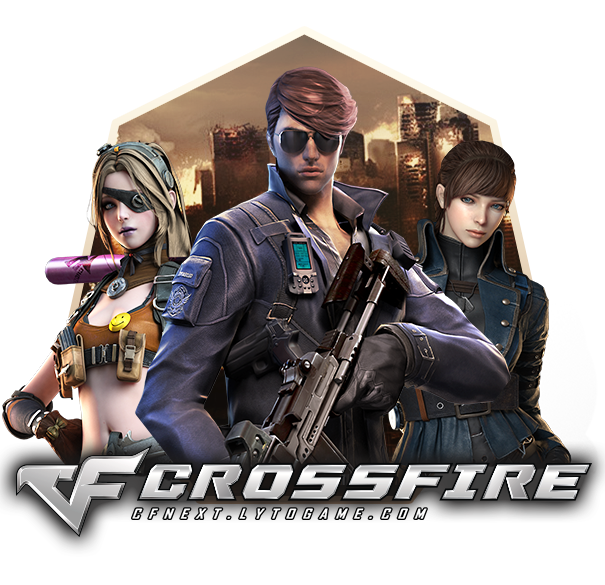
Crossfire NextGen will change the way of Esport First Person Shooter (FPS) gaming.
Crossfire NextGen will also fully supports for Esport Competition in Indonesia.
Various online and offline competition events have been prepared for E-Sport teams & athletes. Not only National Championship, but also in World Championship.
Crossfire NextGen is committed to bring the largest E-Sport FPS in Indonesia. We are cooperating with all gaming industries that advance in E-Sport to serve the best Esport Competition in Indonesia.
We aren't using subtitles because we can’t hear. We are using them because we are afraid of missing. In the golden age of prestige television, dialogue has become a whispered art form. Directors like Christopher Nolan have popularized the "mumblecore aesthetic" in action films, where explosions are deafening and plot-critical dialogue is a whisper. We have become addicted to subtitles not out of necessity, but out of anxiety . To understand the addiction, we must look at the dopamine loop. Reading text while watching video creates a micro-delay in comprehension. When you hear a line of dialogue, you process it. When you read a line of dialogue right before you hear it, you experience a "prediction reward."
Subtitle addiction is a symptom of a larger cultural disease: the fear of missing a single piece of data. We treat movies like emails. We want the transcript, the summary, the bullet points. But art is not data. Film is not a manuscript. addicted subtitle
Turn them off. Look at the actor’s eyes. Listen to the silence between the words. Miss a line. It’s okay. We aren't using subtitles because we can’t hear
This turns watching TV into work—satisfying, addictive work. The problem is that this hijacking bypasses the emotional centers of the brain. When you read, you engage the left hemisphere (logic, language). When you listen to tone and watch a face, you engage the right hemisphere (empathy, subtext). Reading text while watching video creates a micro-delay
But last week, I tried to watch a silent film. The Artist . It has no dialogue. It has title cards, but no subtitles. For ten minutes, I felt relief. No text. Just eyes. Just faces. Just music.

Official Website
Prepare yourself for the Largest FPS E-Sport In Indonesia !


Official Website
Prepare yourself for the Largest FPS E-Sport In Indonesia !
